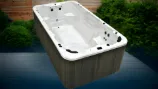
In NSW, owning a spa provides year-round leisure, but operating expenses can rapidly increase without adequate spa insulation. Insulation has a direct impact on your spa’s temperature control efficiency, which lowers heater workload and enhances comfort levels.
Heat escapes via plumbing, walls, and the water’s surface due to inadequate hot tub insulation, necessitating more frequent reheating. In addition to reducing energy costs, selecting the appropriate insulation solution guarantees reliable performance in all of NSW’s climates, from chilly inland winters to windy coastal evenings. Your spa can stay cosy, productive, and economical all year long with the correct setup.
How Heat Is Lost From a Spa Without Proper Insulation
The first step in choosing efficient insulation is to identify the areas where heat escapes. If not adequately sealed and insulated, even premium spas quickly lose their warmth.
Heat Loss Through Cabinet Walls
Heat transfer through the cabinet panels is made possible by inadequate side insulation. Exposure to cold air speeds up heat loss, particularly on winter evenings. Exterior panels serve as ineffective barriers when hot tub insulation is inadequate, making it more difficult for heaters to maintain desired temperatures.
Heat Escaping From the Spa Base
Heat can leak out of thin or unsealed bottom panels. Warmth is further removed via ground temperature transfer, especially in installations with concrete slabs. Insufficient foundation insulation results in constant loss of vital energy.
Surface Heat Loss Without Covers
The greatest source of heat loss is the water’s surface. When the spa is exposed, the warmth is quickly removed by steam evaporation. Even brief exposure to the elements drastically lowers the water’s temperature.
Gaps Around Plumbing Lines
Air leakage points are created when plumbing lines go through cabinet walls that are not properly sealed. These tiny openings let cold air into interior components and decrease efficiency.
Frequent Opening and Exposure
The spa releases heat into the surrounding air each time it is opened. Reheating is necessary more frequently in the absence of robust insulation systems, which raises energy consumption.

What Insulation Technologies Are Used in Modern Spas?
Modern spas employ a range of cutting-edge technologies intended to save operating expenses and increase energy efficiency. Selecting the best option for your needs is made easier when you are aware of your possibilities.
Modern spa design has a strong emphasis on energy efficiency, with insulation being crucial in minimising heat loss. Effective insulation can cut household systems’ energy consumption for heating and cooling by up to 45%, according to the Australian Government’s YourHome guide, demonstrating how cutting-edge insulation technologies greatly enhance overall energy performance.
Full Foam Insulation Systems
Complete foam systems prevent air pockets and support plumbing by packing the cabinet cavity with solid foam. This method maximizes structural stability and heat retention.
Perimeter or Thermal Barrier Insulation
The cabinet walls are insulated by perimeter systems, which also leave space within for plumbing. Pump-generated heat is captured by these mechanisms and redirected into the spa shell.
Hybrid Insulation Designs
Hybrid types combine thermal barriers along the cabinet with complete foam in key locations. This well-rounded strategy maintains simpler access for service while providing efficiency.
Insulated Plumbing and Jets
Heat loss through pipework is prevented by properly insulated plumbing lines. Energy transfer is further decreased by insulated fittings and jets.
Advanced Insulation Technology Materials
High-density polyurethane foam, thermal wraps, and multi-layer reflecting barriers are examples of contemporary insulation technologies. These developments improve performance without appreciably adding weight to the spa.
Instead of concentrating on just one aspect when comparing models, consider the completeness of the spa pool insulation system, including base, cabinet, piping, and shell coverage.
How Insulated Spa Covers Improve Heat Retention
One of the key elements of heat retention is a high-quality spa cover. Without a functional lid, even the finest insulating system will struggle.
The warmer water and the colder external air are separated by an insulated hot tub cover. Thick foam cores retain growing heat beneath the surface and minimize evaporation.
A well-designed cover has the following advantages:
- Decreased heat loss when not in use
- Reduced rates of evaporation
- Enhanced security and protection against debris
- Reduced frequency of heating cycles
Look for long-lasting marine-grade vinyl, robust edge sealing, and tapered coverings that let rainwater runoff. Secure locking straps further increase effectiveness and safety in windy coastal areas of New South Wales.
How to Choose the Right Insulation Based on Spa Location and Use
The location and frequency of use of your spa will determine the best insulating configuration. The climate in NSW varies greatly, thus considerations based on location are crucial.
Outdoor vs Sheltered Installations
Stronger base and cabinet insulation is necessary for fully exposed spas. More system design flexibility is made possible by covered patios or enclosed pergolas, which lessen heat loss and wind chill.
Frequency of Spa Use
Higher-quality spa insulation that requires less reheating to maintain a constant water temperature is advantageous to daily users. Strong coverings and adjustable heating schedules might be priorities for infrequent users.
Spa Size and Water Volume
For efficient heat retention, larger spas with larger water capacities need stronger insulation systems. The possibility for heat loss increases with surface area.
NSW Coastal vs Inland Conditions
Coastal areas face salt air and wind exposure, increasing thermal loss. Inland regions may experience colder winter nights, requiring stronger insulation performance.
Noise and Ventilation Considerations
Full foam systems often reduce pump noise, while perimeter systems may allow more airflow. Balance energy efficiency with ventilation needs and maintenance access.
Common Insulation Mistakes That Reduce Heat Efficiency
Selecting the wrong system—or overlooking critical components—can undermine performance.
Relying Only on Spa Covers
Although covers are crucial, inadequate cabinet insulation cannot make up for them. Complete hot tub insulation should cover the plumbing, base, and walls.
Choosing Thin Insulation Materials
Low-density or thin materials offer minimal thermal resistance. Investing in higher-quality insulation reduces long-term energy waste.
Ignoring Base and Cabinet Sealing
Unsealed gaps create continuous airflow, increasing heat loss. Proper sealing prevents cold drafts from entering the cabinet.
Overlooking Plumbing Heat Loss
Uninsulated plumbing allows heated water to cool before returning to the shell. Insulated pipes and pump compartments significantly improve efficiency.
How Proper Insulation Reduces Long-Term Spa Running Costs
Long-term savings and electricity consumption are directly impacted by high-quality spa pool insulation.
When insulation prevents heat loss:
- The heater runs less frequently
- Electricity consumption decreases
- Internal components experience less strain
- Equipment lifespan extends
Lower heater runtime not only saves money but also reduces wear on pumps and heating elements. Over time, improved insulation pays for itself through reduced operating costs and fewer repairs. Efficient spas also maintain more stable water temperatures, improving user comfort year-round.
Conclusion
One of the most crucial choices when buying or renovating a spa in NSW is choosing the appropriate spa insulation system. Every element contributes to preserving heat efficiency, from cabinet walls to piping and covers. The best configuration is influenced by installation location, usage frequency, and climate.
You may guarantee reduced operating expenses, constant comfort, and long-term durability by making an investment in thorough insulation and high-quality materials. Your spa can be transformed into an energy-efficient haven that consistently provides relaxation throughout the year with the correct strategy.
Start designing your ideal spa today. Reach out to our team at sales@justspasnewcastle.com.au or call (02) 4942 3212 for expert guidance.
Frequently Asked Questions
What type of spa insulation works best in NSW?
The best spa insulation depends on exposure and climate. While hybrid systems can be used for sheltered coastal installations, fully insulated cabinet systems work best in colder interior regions. Thorough wall, base, and plumbing coverage is essential.
Does better insulation really lower electricity bills?
Yes. Good hot tub insulation minimises heat loss and shortens heater runtime, which immediately lowers electricity usage. Longer temperature retention and fewer warming cycles are required by well-insulated spas.
Are fully insulated spas worth the extra cost?
Long-term cost savings are often achieved by investing in an insulated hot tub. The investment is profitable due to lower energy consumption and longer equipment life, especially in areas with colder winters.
Can insulation be upgraded on existing spas?
There are ways to boost insulation, such as replacing covers or caulking gaps in cabinets. However, depending on the spa’s original design and access points, significant hot tub insulation enhancements might not be possible.