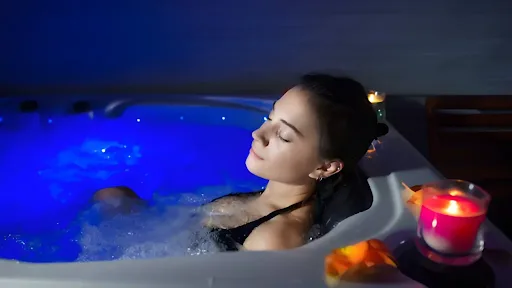
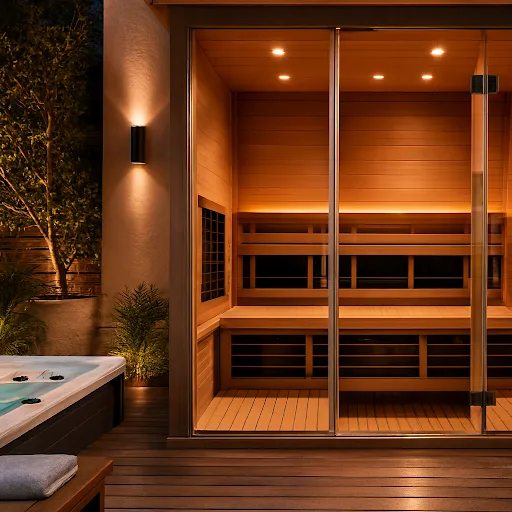
Buying a spa is a significant investment, and knowing what to consider can save you time, money, and hassle. This spa buying guide covers the essential questions every first-time buyer should ask before making a purchase. From understanding the best time to buy a spa to choosing features that suit your lifestyle, getting informed ensures you select the perfect spa to relax and unwind for years to come.
What is My Budget and What Does It Include?
Before investing in a spa, establish a clear budget that includes the initial purchase price and additional costs such as installation, delivery, and maintenance. Understanding the full scope of expenses will help you avoid unexpected costs and choose a spa that fits both your financial plan and lifestyle needs.
What Size and Seating Capacity Do I Need?
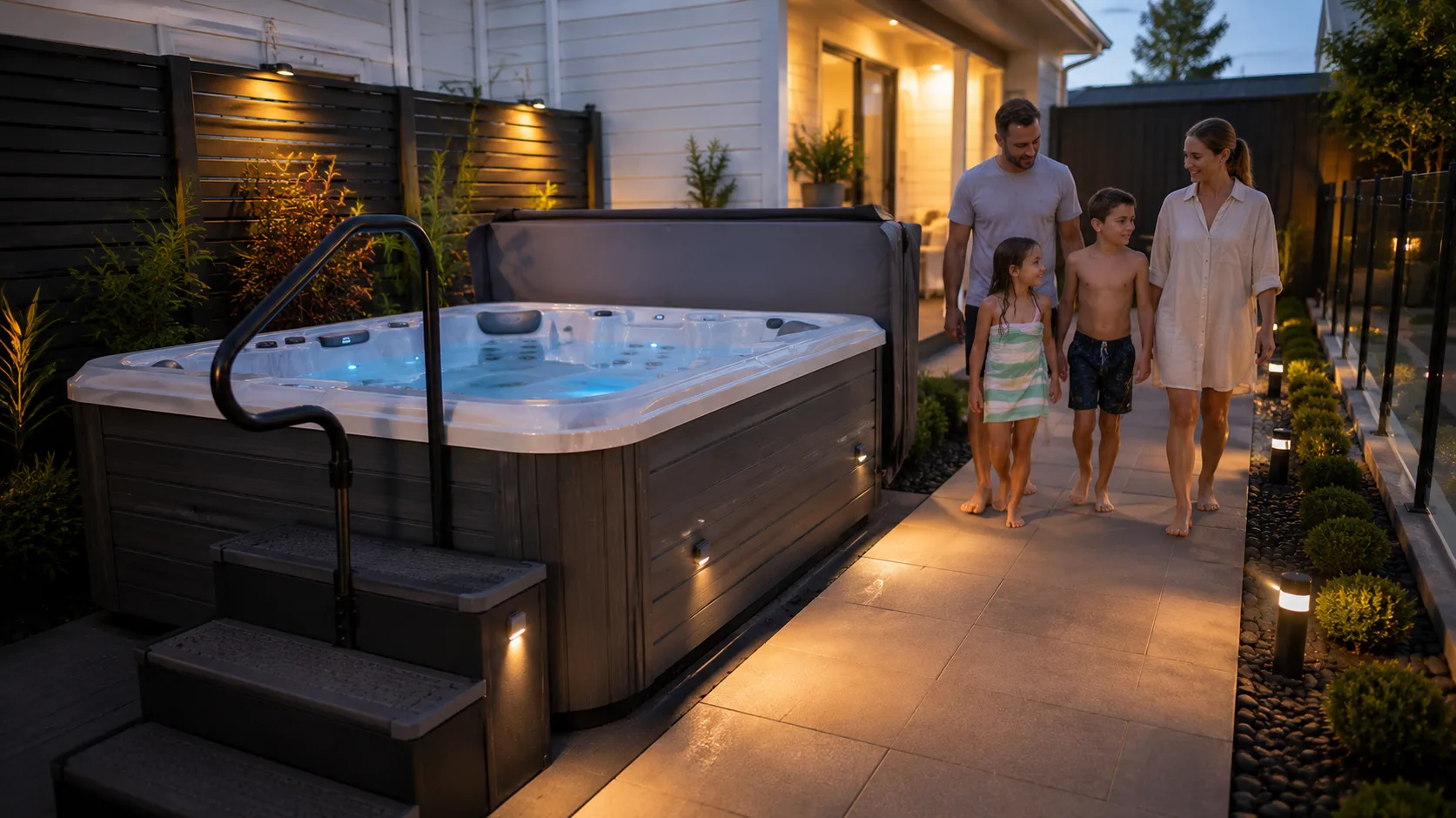
Consider how many people will typically use the spa. Whether it’s for solo relaxation or family gatherings, the size and seating layout should match your usage patterns. This ensures comfort and maximises your investment’s value.
What Type of Jets and Hydrotherapy Options are Available?
Explore the variety of jets and hydrotherapy features offered. Different jets target muscle groups in unique ways, so selecting the right combination enhances your spa experience. Look for adjustable jets and customizable settings to tailor the therapy to your preferences.
How Energy-Efficient is the Spa?
Energy efficiency is crucial for controlling ongoing operating costs. A well-insulated spa with efficient pumps and heating systems can significantly reduce power consumption. Ask about energy ratings and features designed to lower environmental impact and running expenses.
What is the Average Lifespan of a Spa?
Understanding a spa’s typical lifespan helps you plan for future maintenance and replacement. Quality spas designed with durable materials and advanced technology usually last 10-15 years or more. This information guides you in choosing a product that offers long-term value.
What Warranty and After-Sales Support Do I Get?
A comprehensive warranty and reliable after-sales service give peace of mind. Confirm what the warranty covers, its duration, and the availability of local support for repairs and servicing. This is essential for protecting your investment and ensuring hassle-free ownership.
Where Should I Place My Spa?
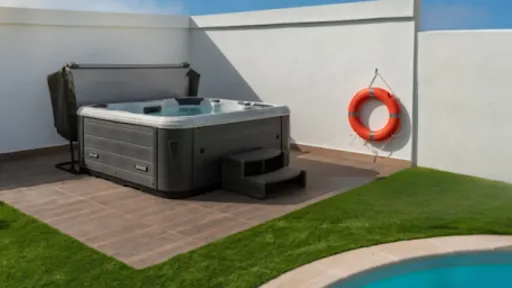
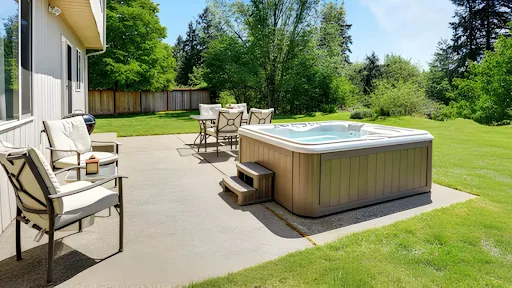
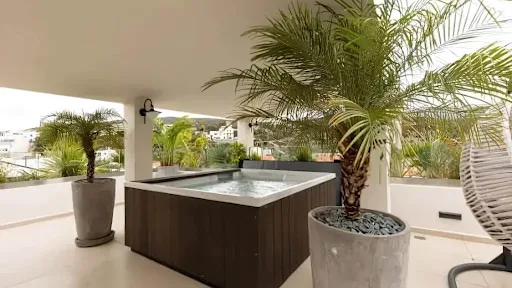
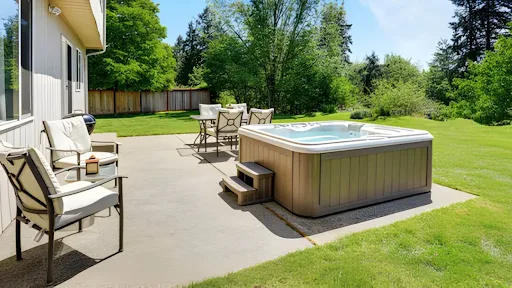
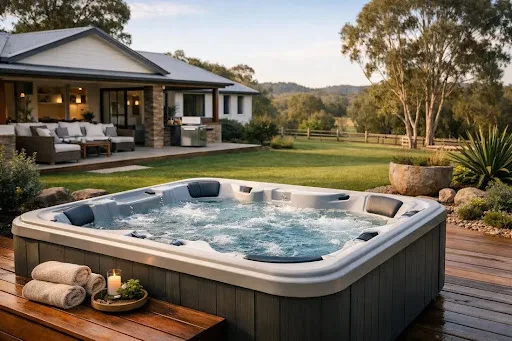
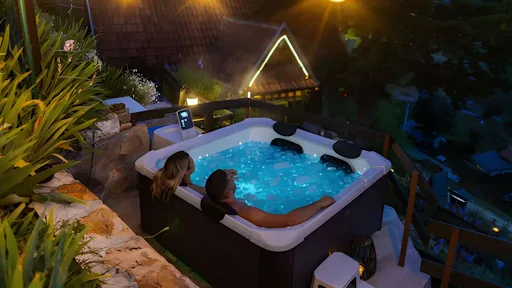
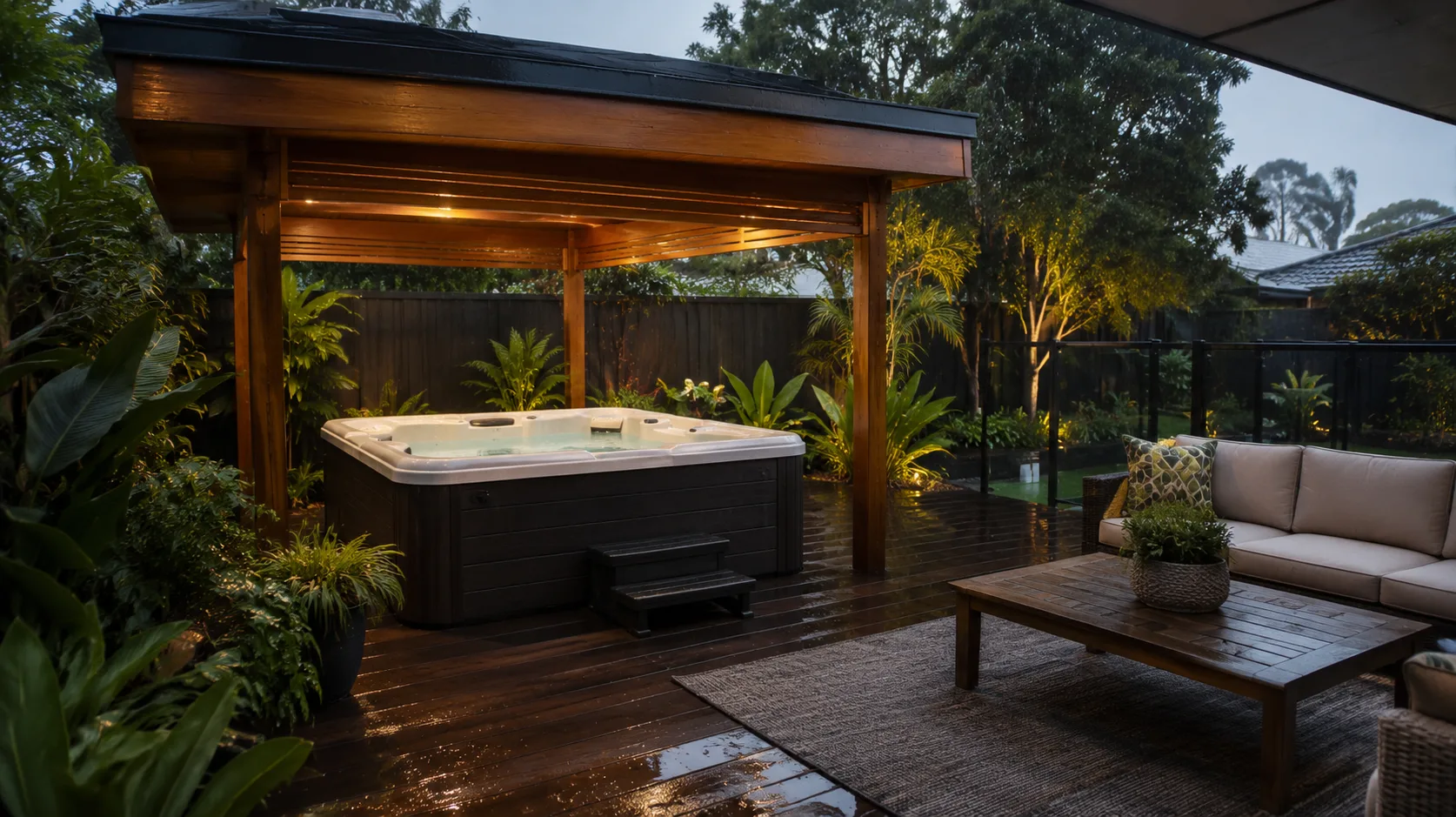
Choosing the right location impacts usability, privacy, and maintenance. Consider factors like proximity to your home, access to electricity and water, and shelter from weather. Proper placement enhances enjoyment and helps maintain the spa in optimal condition.
For anyone navigating the spa buying process, this spa buying guide offers a clear framework to make informed decisions. At Glamour Spas, we’re committed to helping first-time spa buyers find the perfect product tailored to their needs. Contact us today to explore our range and expert advice.
Conclusion
Investing in a home spa is a decision that can transform your living space into a sanctuary of relaxation, health, and social enjoyment. Whether you choose a portable spa or a built-in model, understanding the distinctions, maintenance requirements, and energy considerations will help you make an informed choice that fits your lifestyle and budget. Prioritising water quality and safety ensures your spa remains a refreshing, safe retreat for years to come. By considering these key factors, you can enjoy the many benefits of spa ownership while minimising costs and environmental impact.
FAQ’s
What Is the Difference Between Portable Spas and Built-In Models?
Portable spas are freestanding units designed for easy installation and relocation. They tend to be more affordable upfront and don’t require permanent alterations to your property, making them ideal for renters or those who want flexibility. Built-in models are custom-installed, often integrated into decking or patios, creating a seamless look that can increase home value. They usually offer larger capacities and more advanced features but come with higher installation and maintenance costs. Your choice will depend on your budget, space, and long-term plans.
How Much Does It Cost to Maintain a Spa Annually?
Annual maintenance costs vary depending on the spa type, usage, and local utility rates. On average, expect to spend between $500 to $1,200 AUD per year on water treatment chemicals, filters, energy consumption, and occasional repairs. Portable spas usually have slightly lower operational costs because they are smaller and insulated for energy efficiency. It’s important to budget for regular cleaning, water replacement every 3-4 months, and servicing of pumps and heaters to ensure optimal performance and longevity.
Are There Energy-Efficient Options for Home Spas?
Yes, many modern spas come equipped with energy-saving features. Look for models with high-grade insulation, programmable timers, and energy-efficient pumps and heaters. Solar heating options are gaining popularity in Australia, reducing reliance on electricity and lowering running costs. Additionally, maintaining a spa cover when not in use significantly conserves heat and cuts energy consumption. Choosing an energy-efficient spa not only reduces your ecological footprint but also helps manage ongoing expenses effectively.
How Do I Ensure Water Quality and Safety in My Spa?
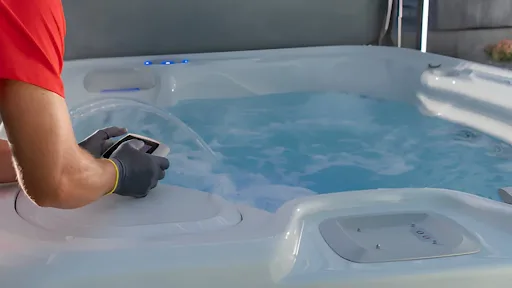
Maintaining impeccable water quality is crucial for safe spa use. Regularly test and adjust the pH, alkalinity, and sanitizer levels using chlorine or bromine products specifically designed for spas. Routine cleaning of filters and consistent water replacement minimise bacteria and contaminants. Investing in a reliable water testing kit and following manufacturer guidelines will safeguard your health. Also, ensure your spa is equipped with proper drainage and is located on a stable, clean surface to prevent environmental contaminants. Keeping the spa clean and chemically balanced protects users from skin irritations, infections, and waterborne illnesses.