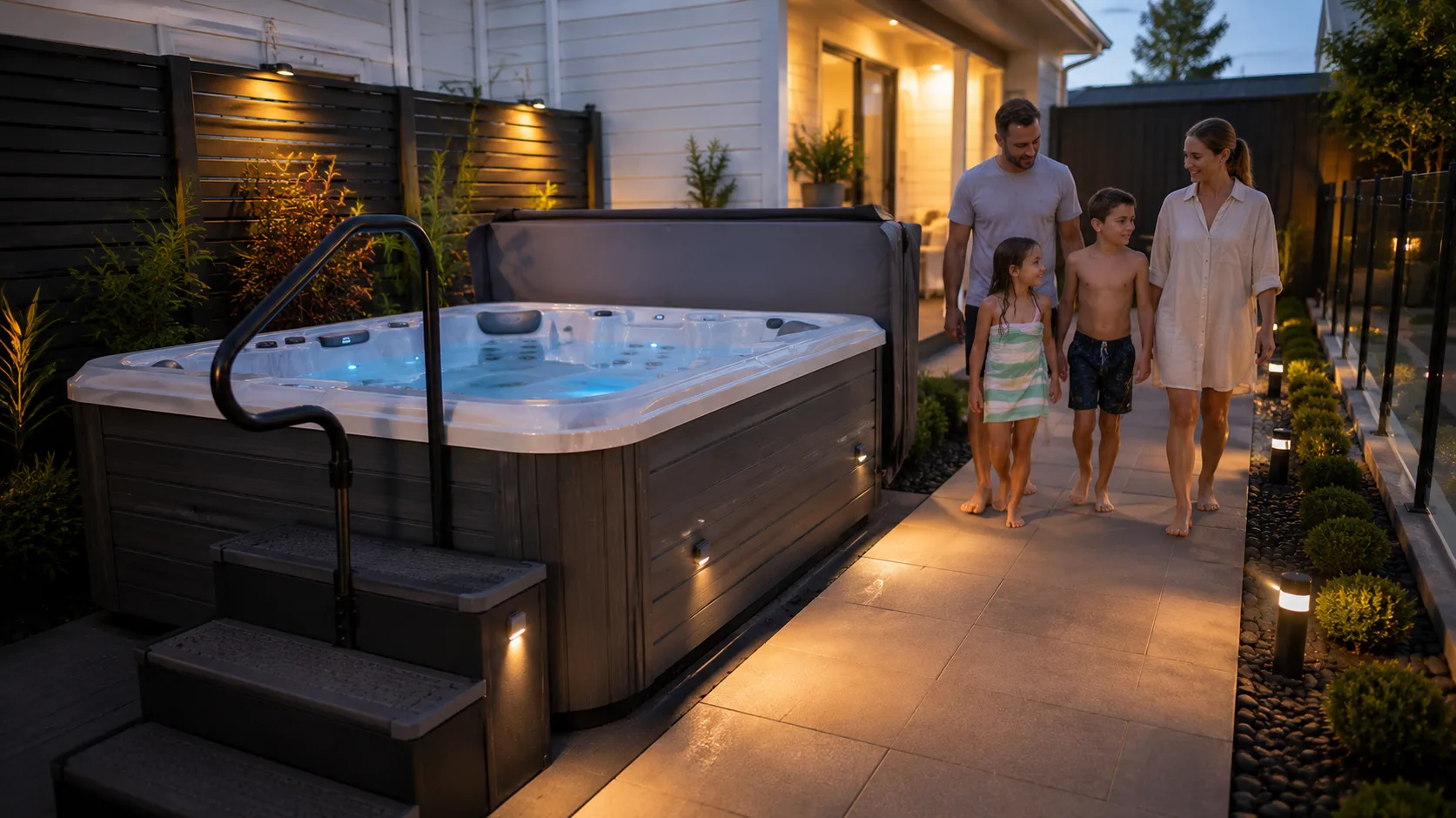
Many people use the terms hot tub and spa interchangeably, but they’re not always exactly the same. In Australia, the word spa is commonly used to describe heated water units installed at home, while hot tub is a broader term that’s often associated with outdoor soaking tubs or portable units. Depending on the context, a spa can also refer to a wellness destination offering relaxation treatments.
Understanding the difference between a hot tub and a spa is important when comparing products, planning an installation or deciding which option suits your lifestyle. Factors such as design, installation, maintenance, features and intended use can all influence your buying decision. Whether you’re looking for hydrotherapy, family entertainment or a luxury backyard addition, knowing the terminology can help you choose with confidence.
What Is a Hot Tub?
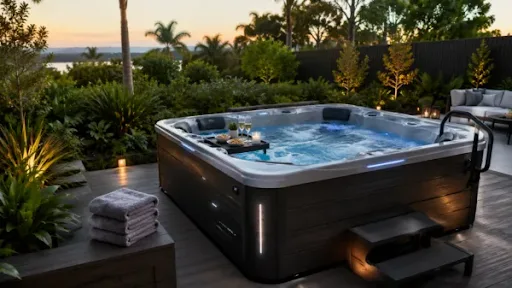
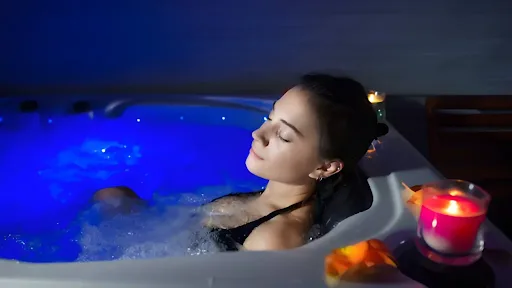
A hot tub is a heated water unit primarily designed for relaxation, hydrotherapy and social enjoyment. Most modern hot tubs include seating, massage jets and filtration systems, making them suitable for year-round use in Australian backyards.
While the term is popular internationally, many Australians would simply call the same product a spa. This is one reason the hot tub vs spa discussion can become confusing.
Definition of a Hot Tub
A hot tub is generally a self-contained unit that heats and circulates water through built-in pumps and jets. It is designed to provide warm-water immersion rather than swimming or exercise.
Unlike swim spas, which are built for aquatic exercise, hot tubs focus on soaking, relaxation and massage.
Common Features of a Hot Tub
Most modern hot tubs include:
- Hydrotherapy massage jets
- Heated water systems
- Filtration and sanitisation equipment
- Comfortable ergonomic seating
- Insulated cabinets for energy efficiency
- Digital controls for temperature and jet settings
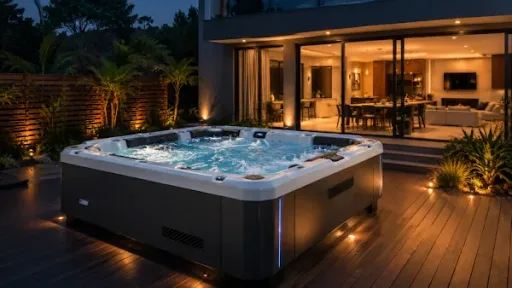
Many premium models also include LED lighting, waterfalls and entertainment features.
Typical Uses and Benefits
Homeowners commonly use hot tubs for:
- Relaxing after work
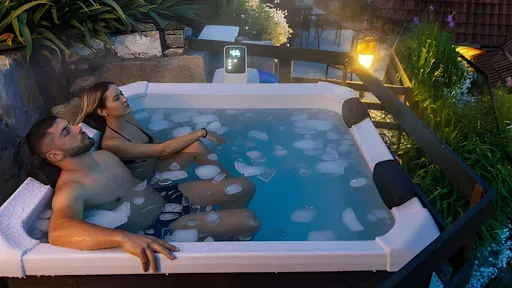
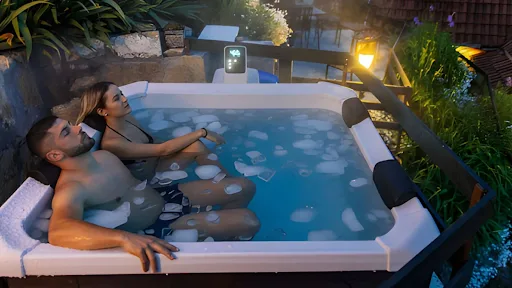
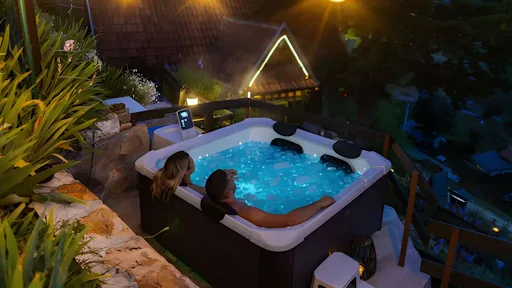
- Spending time with family
- Recovering after exercise
- Entertaining guests
- Enjoying outdoor living throughout the year
If you’re comparing options for your Newcastle home, you can explore the range available from Spas Newcastle, which offers a variety of hot tubs and spas for different lifestyles.
What Is a Spa?
The word spa has multiple meanings, which is why so many buyers become confused.
It can describe:
- A portable home spa
- A built-in spa
- A luxury wellness spa offering treatments
- A heated hydrotherapy spa
In Australia, when someone says they’re buying a spa, they are usually referring to a heated water unit installed at home.
Definition of a Spa
A home spa is a heated water unit designed for relaxation and hydrotherapy. Like a hot tub, it uses pumps, filtration and heating equipment to provide a comfortable soaking experience.
The spa vs hot tub debate is often more about terminology than technology, as many modern products perform very similar functions.
Portable vs Built-In Spa
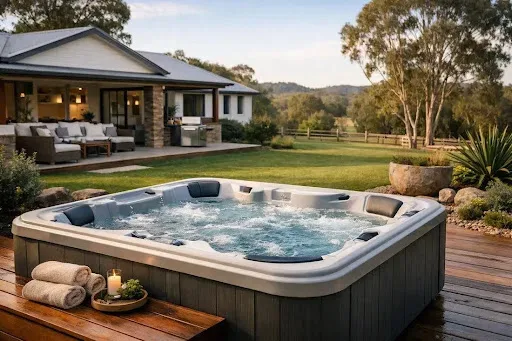
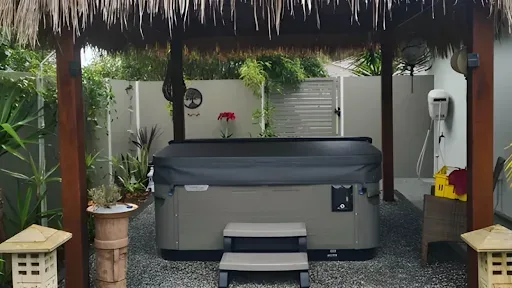
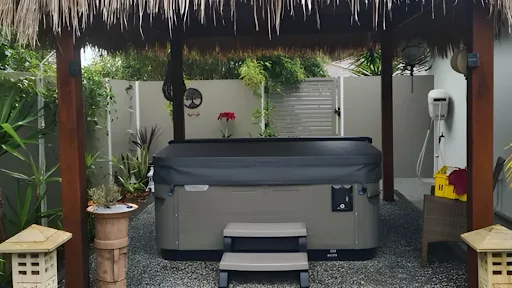
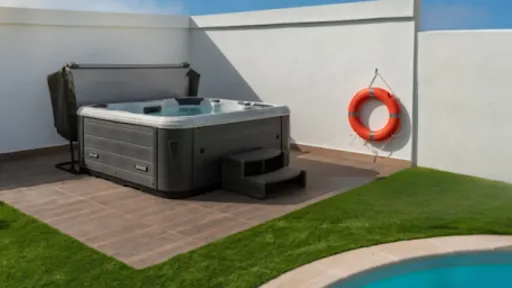
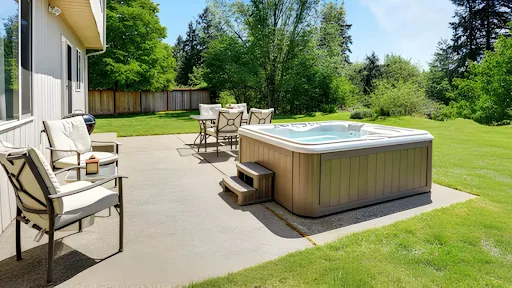
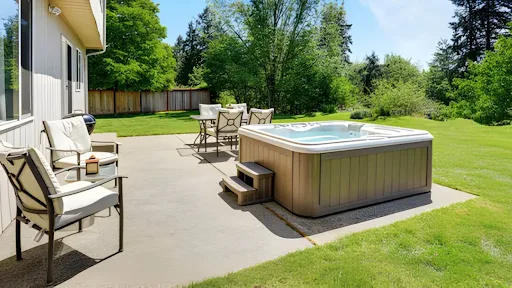
Portable spas are self-contained units that sit above ground and can often be installed more quickly.
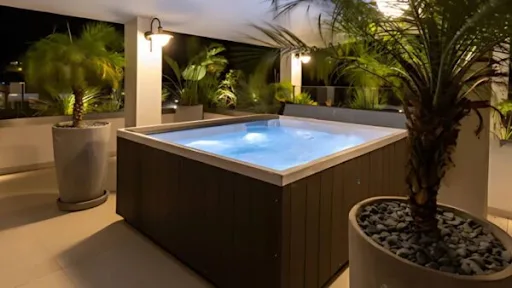
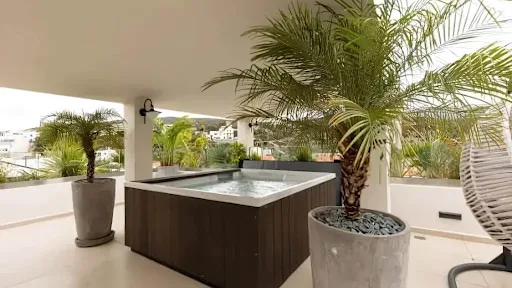
Built-in spas are integrated into decking, landscaping or in-ground designs, creating a more permanent appearance.
The choice usually depends on your budget, available space and how you want the finished backyard to look.
Health and Relaxation Benefits
Many homeowners enjoy spas for:
- Warm-water relaxation
- Hydrotherapy massage
- Muscle recovery
- Stress reduction
- Social connection
While many people find these experiences enjoyable, a spa should not be viewed as a replacement for medical treatment.
Hot Tub vs Spa: Key Differences
The difference between a hot tub and a spa becomes easier to understand when you compare how each option affects ownership, installation and everyday use.
Design and Construction
Modern hot tubs and portable spas are often built using acrylic shells, insulated cabinets and integrated equipment compartments.
Traditional wooden hot tubs still exist, but they are less common in Australia.
The biggest practical difference is usually whether the unit is designed as a portable product or incorporated into a built-in landscaping project.
Installation Requirements
Installation is one of the biggest differences buyers notice.
Portable spas often require:
- A level foundation
- Electrical connection
- Water filling
- Basic site preparation
Built-in spas may require:
- Excavation
- Deck construction
- Landscaping
- Additional plumbing
- More complex electrical work
Choosing between these options can significantly affect the overall project cost.
If you’re planning a Newcastle installation, discussing site preparation with a local specialist can help avoid unexpected costs.
Water Temperature and Features
Both systems typically operate with heated water and massage jets.
Some models include:
- Adjustable hydrotherapy jets
- LED lighting
- Waterfalls
- Bluetooth audio
- Smart controls
The number of features depends more on the model than whether it is marketed as a hot tub or spa.
Maintenance Requirements
One common misconception is that hot tubs require more maintenance than spas.
In reality, maintenance depends on factors such as:
- Water chemistry
- Filtration
- Usage frequency
- Cleaning routine
- Cover quality
NSW Health explains that maintaining water quality requires proper filtration, appropriate disinfection and balanced water chemistry, regardless of the system being used.
Both systems require:
- Water testing
- Filter cleaning
- Periodic water replacement
- General equipment checks
Cost and Long-Term Value
Costs vary widely depending on size, features and installation.
Portable spas often have lower installation costs.
Built-in projects may involve additional expenses for landscaping, electrical work and construction.
Long-term value should include:
- Energy efficiency
- Insulation quality
- Warranty
- Maintenance costs
- Build quality
Choosing a well-insulated model can help reduce operating costs over time.
Best Uses for Each Option
A hot tub may suit buyers who want:
- Simple installation
- Relaxation
- Family use
- Outdoor entertaining
A built-in spa may suit buyers who want:
- Luxury landscaping
- Permanent installation
- Integrated outdoor living
For many Australian homeowners, the practical ownership experience matters more than whether the product is labelled a hot tub or spa.
Which One Is Better for Your Lifestyle?
The best option depends on how you intend to use it.
For Relaxation and Stress Relief
If your priority is unwinding after work, both options can provide a comfortable warm-water experience.
For Hydrotherapy and Muscle Recovery
Massage jets can help create a relaxing experience after physical activity.
When comparing models, look at:
- Jet placement
- Seating design
- Adjustable pressure
- Comfort
For Luxury Outdoor Living
A built-in spa can become a striking centrepiece within a landscaped backyard.
However, many portable spas also create an impressive outdoor entertaining area.
For Budget-Conscious Buyers
Portable models often reduce installation complexity.
If you’re comparing a hot tub or spa, ask about:
- Installation costs
- Electrical requirements
- Ongoing maintenance
- Warranty
For Families and Entertaining Guests
Families often value:
- Multiple seats
- Easy entry
- Comfortable layouts
- Durable construction
If entertaining is important, consider how many people are likely to use the spa at the same time.
You can compare family-friendly options through Spas Newcastle’s spa range .
Common Misconceptions About Hot Tubs and Spas
Several myths continue to confuse buyers.
Hot Tubs and Spas Are Exactly the Same
Not always.
The terminology overlaps significantly, but spa can also refer to wellness facilities and built-in installations.
All Spas Are Built Into the Ground
Many Australian spas are portable, above-ground units that require far less construction than in-ground installations.
Hot Tubs Require More Maintenance Than Spas
Maintenance depends on the individual system rather than the label.
Water testing, filtration and cleaning remain important for both.
Spas Are Only Found at Resorts
Home spas have become increasingly popular as more Australians invest in outdoor living spaces.
Both Cost the Same to Own
Ownership costs depend on:
- Insulation
- Heating efficiency
- Usage
- Maintenance
- Installation
A well-designed spa can provide better long-term value than a cheaper model with higher operating costs.
How to Choose Between a Hot Tub and a Spa
If you’re choosing a hot tub or spa, focus on your own priorities rather than marketing terminology.
Consider Your Budget
Look beyond the purchase price.
Include:
- Installation
- Electrical work
- Accessories
- Maintenance
Think About Available Space
Measure your available area carefully.
Also consider:
- Access for delivery
- Privacy
- Surrounding landscaping
Compare Maintenance Requirements
Ask about:
- Filter cleaning
- Water testing
- Sanitisation
- Running costs
Decide How You'll Use It
Will you mainly use it for:
- Relaxation?
- Hydrotherapy?
- Family time?
- Entertaining?
Your answer will help narrow the options.
Evaluate Energy Efficiency
Energy efficiency depends on several design features.
Look for:
- Quality insulation
- Well-designed covers
- Efficient pumps
- Modern heating systems
Choose the Right Size and Features
Instead of choosing the largest model, consider:
- Seating layout
- Jet placement
- Ease of use
- Comfort
If you’re comparing options locally, Spas Newcastle offers a range of spa and hot tub models designed for different households.
When Should You Speak With a Hot Tub or Spa Professional?
Professional advice becomes particularly valuable when you’re comparing installation options, planning a new backyard layout or deciding which features are worth paying for.
A specialist can help explain the difference between a hot tub and a spa in practical terms rather than simply focusing on marketing language. They can also help you compare warranties, insulation quality, running costs and installation requirements.
Speaking with a local expert before purchasing can help you avoid expensive mistakes and choose a model that genuinely suits your home and lifestyle.
Conclusion
The difference between a hot tub and a spa is often less about what the product does and more about how the term is used. In Australia, many people use spa to describe what others call a hot tub, while spa can also refer to built-in installations or wellness facilities.
The best choice comes down to your budget, available space, installation preferences and how you plan to use it. By comparing features, maintenance requirements and long-term value rather than relying on terminology alone, you’ll be in a much stronger position to choose the right option for your home.
Ready to Find the Right Spa for Your Home?
Whether you’re comparing a hot tub or spa for relaxation, hydrotherapy or family entertaining, Spas Newcastle can help you explore options that suit your lifestyle and backyard space.
Website: https://spasnewcastle.com.au/
Email: sales@spasnewcastle.com.au
Phone: (02) 4942 3212
Browse the Spas Newcastle spa range or speak with the team about finding the right model for your home.
FAQs
What Is the Main Difference Between a Hot Tub and a Spa?
The main difference between a hot tub and a spa is largely the terminology. In Australia, both terms often describe heated hydrotherapy units, while spa can also refer to built-in installations or wellness facilities.
Is a Hot Tub Better Than a Spa?
Neither is automatically better. The right choice depends on your budget, available space, installation preferences and how you plan to use it.
Can a Spa Be Used as a Hot Tub?
Yes. Many home spas function in exactly the same way as what many people would call a hot tub, offering heated water, massage jets and hydrotherapy features.
Which Is Easier to Maintain, a Hot Tub or a Spa?
Maintenance depends on the individual system rather than the name. Both require water testing, filter cleaning and balanced water chemistry. NSW Health recommends maintaining proper filtration and disinfection for all spa systems.
Which Option Is More Affordable for Homeowners?
Portable spas often have lower installation costs, while built-in projects may involve additional construction expenses. Comparing total ownership costs—including installation, maintenance and energy efficiency—provides a better picture than looking only at the purchase price.