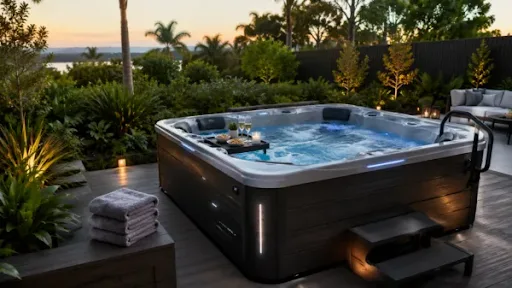
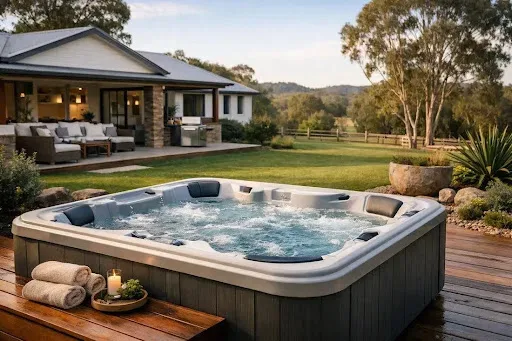
When comparing spas, it is easy to assume that more jets automatically mean a better hydrotherapy experience. However, the number of spa jets is only one part of the equation. Jet quality, placement, pump power, plumbing design and the size of the spa can all have a greater impact on comfort and performance.
The right jet configuration depends on how you plan to use your spa. Some homeowners want gentle relaxation, while others prefer targeted massage after exercise or a more powerful hydrotherapy experience. Understanding how many spa jets are right for you can help you look beyond marketing numbers and choose a spa that provides the right balance of comfort, performance and long-term value.
Choosing the right spa is becoming increasingly relevant for Australian homeowners as more people invest in their homes and outdoor living spaces. According to the Australian Bureau of Statistics (ABS), Australia’s population reached 27.8 million people at 31 December 2025, while New South Wales had a population of approximately 8.64 million people and grew by around 104,600 people over the previous year. As NSW communities continue to grow, homeowners are increasingly considering ways to create comfortable and functional spaces for relaxation and family time at home.
What Are Spa Jets?
Spa jets are fittings built into the seats and walls of a spa that direct pressurised water towards different areas of the body. They are one of the main features responsible for the massage experience people associate with modern spas and hot tubs.
Definition of Spa Jets
Spa jets are designed to move water through specially shaped nozzles to create different massage sensations. Depending on the design, they may produce a steady stream, rotating movement, pulsating action or a broader massage effect.
How Spa Jets Work
A pump moves water through the spa’s plumbing system and towards the jets. Some systems also mix air with the water flow to change the feel and intensity of the massage.
The final experience depends on several factors, including pump capacity, plumbing design, the number of active jets and the jet’s individual design.
Benefits of Hydrotherapy Jets
Hydrotherapy jets can create a relaxing massage experience that many spa owners enjoy after work, exercise or a busy day.
Potential benefits may include:
- Relaxation
- Temporary relief from muscle tension
- A soothing warm-water experience
- A more personalised massage through adjustable jets
It’s important to remember that a spa is a wellness and relaxation product and should not replace professional medical treatment.
Do More Spa Jets Mean Better Performance?
Not necessarily.
One of the biggest mistakes buyers make is assuming that the spa with the highest number of jets will automatically provide the best massage.
The Myth of More Jets
A spa with 60 jets is not automatically better than one with 30 well-designed jets.
If the spa’s pump and plumbing system are not designed to deliver sufficient water flow to every jet, increasing the number of jets can potentially spread the available water pressure across more outlets.
This may result in a weaker massage experience.
Why Pump Power Matters
Pump capacity plays a major role in how hot tub jets perform.
A well-designed system should provide appropriate water flow and pressure based on the number and type of jets operating at the same time.
However, pump horsepower alone does not tell the complete story. Plumbing layout, restrictions, jet design and how the pump operates can all influence real-world performance.
Quality vs. Quantity
Instead of focusing only on more spa jets, consider:
- How powerful the jets feel
- Where they are positioned
- Whether pressure is adjustable
- The variety of massage styles
- How comfortably the jets align with your body
A lower jet count with excellent placement can provide a more enjoyable experience than a spa filled with poorly positioned jets.
How Many Spa Jets Do You Really Need?
There is no universal answer because the ideal number depends on the size of the spa and how you plan to use it.
Instead of searching for the highest possible hot tub jet count, think about how many seats you need and what type of massage experience you prefer.
Small Hot Tubs (2–3 People)
Smaller spas are generally designed for couples or small households.
Rather than requiring dozens of jets, a compact spa may provide a satisfying experience with carefully positioned jets targeting areas such as:
- Lower back
- Shoulders
- Legs
- Feet
The advantage of a smaller spa is that the pump system can be designed specifically around fewer seats and jets.
For a couple looking for relaxation, the ideal number of spa jets may be less important than having comfortable seating and effective massage coverage.
Medium Hot Tubs (4–5 People)
Medium-sized spas are popular with families and homeowners who want flexibility for both relaxation and entertaining.
These spas generally require more jets because there are more seats and more body areas to consider.
A medium spa might include different seating configurations, such as:
- Upright therapy seats
- Reclining loungers
- Deeper soaking seats
- Foot therapy areas
The most important consideration is whether each seat provides a useful massage experience.
A spa with 50 jets may perform differently from another spa with the same number because the jets could be distributed differently and connected to different pumps.
Large Family Hot Tubs (6+ People)
Larger spas require more extensive plumbing and pump systems because they have additional seats.
In this situation, a higher jet count can make sense because more users need massage coverage.
However, don’t assume every jet operates with the same intensity at all times.
Ask the dealer:
- How many pumps does the spa have?
- Which jets operate together?
- Can jet pressure be adjusted?
- Can different pumps be controlled separately?
These questions provide a better understanding of performance than the jet count alone.
Luxury Hydrotherapy Spas
A premium hydrotherapy spa may offer a wide variety of jet types rather than simply adding more identical jets.
For example, different seats may include:
- Rotating massage jets
- Deep tissue-style water jets
- Neck and shoulder jets
- Foot massage jets
- Adjustable directional jets
This creates a more personalised experience.
When deciding how many spa jets are right for you, focus on whether the spa provides the right combination of coverage, pressure and comfort for your needs.
Factors That Matter More Than Jet Count
Jet count is easy to advertise, but several other factors can have a greater influence on your overall spa experience.
Jet Placement
Spa jet placement is one of the most important factors.
A powerful jet positioned in the wrong location may not provide the desired massage.
Look for jets positioned around areas such as:
- Neck
- Shoulders
- Upper back
- Lower back
- Hips
- Legs
- Feet
Everyone has a different height and body shape, so sitting in the spa before purchasing can help you determine whether the placement feels comfortable.
Adjustable Jet Pressure
Adjustable spa jets allow you to change the water flow or direction.
This can be useful when one person prefers gentle relaxation while another wants a stronger massage.
Adjustability can make a spa more versatile for households with multiple users.
Pump Horsepower
Pump performance influences how effectively water is delivered through the system.
However, don’t choose a spa based solely on a large horsepower figure.
A good spa system balances pump performance with:
- Plumbing design
- Jet requirements
- Energy efficiency
- Water flow
Seat Ergonomics
Even the best jets won’t feel comfortable if the seat doesn’t suit your body.
Look at:
- Seat depth
- Back support
- Leg position
- Arm comfort
- Whether you float out of the seat
Jet Types and Massage Variety
A combination of jet styles can provide a more varied experience than multiple identical jets.
Overall Spa Design
The best hot tub performance comes from the entire system working together.
Jets, pumps, plumbing, seating and controls should all be considered as part of one complete design.
Different Types of Spa Jets Explained
Modern spas can include different jet designs to create different water movements and massage sensations.
Directional Jets
Directional jets allow the user to aim the water flow towards a specific area.
They can be useful for targeting areas where you prefer a more focused massage.
Rotary Jets
Rotary jets create a rotating or swirling water movement.
Instead of directing water at one fixed point, the movement spreads the massage sensation across a wider area.
Pulsating Jets
Pulsating jets create an alternating water flow.
The experience can feel different from a steady stream and may add more variety to the spa’s massage options.
Neck and Shoulder Jets
Neck and shoulder jets are positioned higher in the spa to target the upper body.
Some designs create a waterfall-style flow, while others use focused water streams.
Foot Therapy Jets
Foot jets are positioned near the bottom of the spa.
They can provide a relaxing massage experience while sitting or reclining.
When comparing spa jet types, remember that quality and positioning are usually more important than simply having a large number of massage jets.
Choosing the Right Spa Jets for Your Lifestyle
The best jet configuration depends on what you want from your spa.
For Everyday Relaxation
If your primary goal is relaxation, you may prefer:
- Gentle adjustable jets
- Comfortable seating
- Lower noise levels
- Easy controls
You may not need the highest number of jets.
For Muscle Recovery
People who exercise regularly may prefer a combination of stronger and adjustable jets positioned around major muscle groups.
A warm spa and hot tub massage can feel relaxing after physical activity, but should not replace professional treatment for injuries or medical conditions.
For Chronic Pain Relief
If you experience chronic pain, speak with a healthcare professional about appropriate treatment.
Warm water and massage may feel soothing for some people, but a spa should not be marketed or relied upon as a cure for a medical condition.
For Family Entertainment
Families may value a spa with a variety of seats and massage experiences.
Consider:
- Multiple seating positions
- Adjustable jets
- Easy controls
- Comfortable entry
- Space for several users
For Luxury Spa Experiences
A premium spa may include a wider variety of jet types, dedicated therapy seats and customised controls.
Rather than simply asking for the most jets, ask which features provide the best experience for your lifestyle.
Common Mistakes When Comparing Spa Jets
Buying a spa is a significant investment, so it’s important to look beyond the headline specifications.
Buying Based Only on Jet Count
A large number of jets can sound impressive, but it doesn’t guarantee better performance.
Always consider the complete system.
Ignoring Pump Capacity
Ask how the pump system supports the jets.
Understanding how many pumps are installed and how they operate can provide more useful information than jet numbers alone.
Overlooking Jet Placement
Jets should be positioned to match the seating design.
If possible, test the spa before buying.
Forgetting Seat Comfort
Comfort is essential.
A spa can have excellent jets but still provide a poor experience if you don’t fit comfortably in the seats.
Not Testing the Spa Before Buying
A wet test or demonstration can help you understand:
- Jet strength
- Massage variety
- Seat comfort
- Noise levels
- Control functions
A good hot tub buying guide should always encourage buyers to compare the complete ownership experience rather than a single specification.
How to Choose the Right Number of Spa Jets
Choosing the right number of jets comes down to balancing performance with your needs.
Consider Your Budget
Don’t pay for additional features you won’t use.
Instead, focus on quality components and the features that matter most to you.
Think About Spa Size
Larger spas generally require more jets to provide coverage across additional seats.
Smaller spas may provide excellent hydrotherapy with fewer, well-positioned jets.
Compare Pump Performance
Ask how the pump system works with the jets.
Look at:
- Number of pumps
- Jet control
- Water flow
- Energy use
Match Jets to Your Wellness Goals
Think about whether you want:
- Gentle relaxation
- Targeted massage
- Multiple massage styles
- Family use
This will help determine how many spa jets are right for you.
Test Different Spa Models
Whenever possible, sit in or test different models.
What feels comfortable for one person may not feel right for another.
Balance Features With Value
The most expensive spa isn’t automatically the best option.
A good spa buying guide should help you compare build quality, energy efficiency, comfort, warranty and performance alongside jet count.
When Should You Consult a Spa Professional?
Professional advice can be useful when comparing different spa models and trying to understand how their jet systems actually perform.
A spa specialist can help explain the differences between:
- Spa jet types
- Pump systems
- Massage configurations
- Seating designs
- Installation requirements
They can also help you avoid paying for unnecessary features.
If you’re comparing spa jets and different hydrotherapy options, the team at Spas Newcastle can help you explore models based on your available space, lifestyle and intended use.
Speaking with a professional before purchasing can make the buying process easier and help you find a spa that provides long-term value.
Conclusion
When deciding how many spa jets are right for you, don’t assume that more automatically means better.
The quality, placement and variety of the jets, combined with pump performance and seat ergonomics, have a major influence on your overall experience.
A smaller spa with well-designed hydrotherapy may provide better comfort than a larger model with a high jet count but weak water pressure. Take time to compare different configurations, consider how you’ll use your spa and focus on the complete system rather than one headline number.
The right spa should provide the balance of relaxation, performance and value that suits your lifestyle.
Ready to Find the Right Spa for Your Lifestyle?
Choosing a spa involves more than comparing the number of jets. The right model should match your space, budget, comfort preferences and hydrotherapy goals.
Explore the range of spas and hydrotherapy options available from Spas Newcastle and speak with the team about finding the right model for your Newcastle home.
Website: Spas Newcastle
Email: sales@spasnewcastle.com.au
Phone: (02) 4942 3212
FAQs
How Many Spa Jets Do I Really Need?
There is no single ideal number. The right amount depends on the size of the spa, number of seats, pump capacity and your preferred massage experience. Focus on coverage, jet placement and performance rather than simply choosing the highest jet count.
Are More Spa Jets Always Better?
No. More spa jets can potentially provide greater coverage, but only if the pump and plumbing system are designed to support them effectively. A lower number of high-quality, well-positioned jets may provide a stronger and more enjoyable massage.
What Makes a Spa Jet High Quality?
High-quality spa jets should provide reliable water flow, comfortable pressure and appropriate placement. Adjustable direction and intensity can also improve versatility. The pump system and plumbing design are equally important because they influence how effectively water reaches each jet.
Do More Jets Require More Maintenance?
More jets can mean additional components that may require cleaning or maintenance over time. However, spa jet maintenance also depends on water quality, filtration and how the spa is used. Following the manufacturer’s maintenance recommendations helps keep jets performing properly.
What Should I Consider Besides Jet Count?
Consider spa jet placement, pump performance, seating comfort, insulation, energy efficiency, build quality and warranty. The best hot tub jets are part of a complete system designed to provide balanced water pressure and a comfortable hydrotherapy experience.