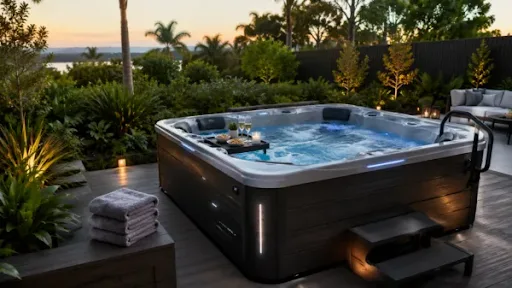
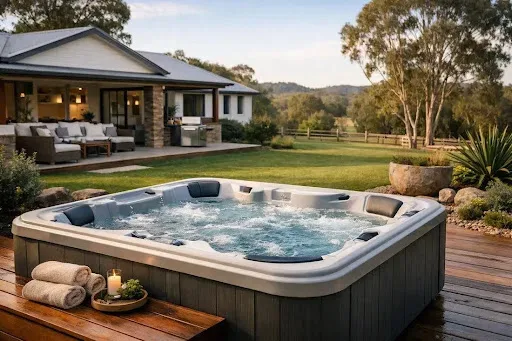
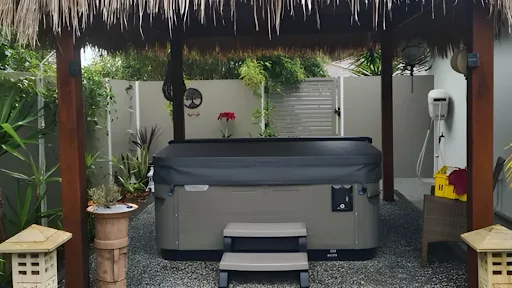
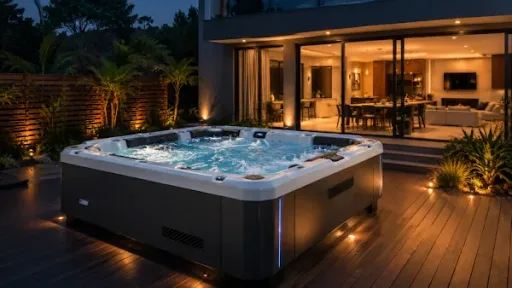
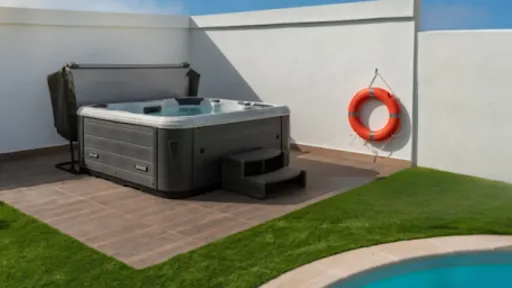
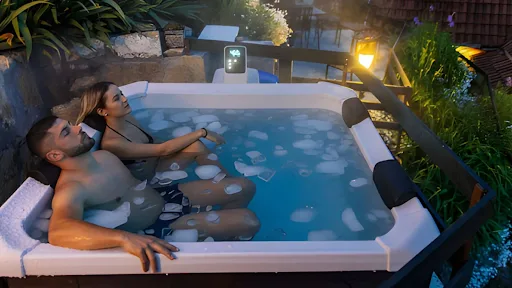
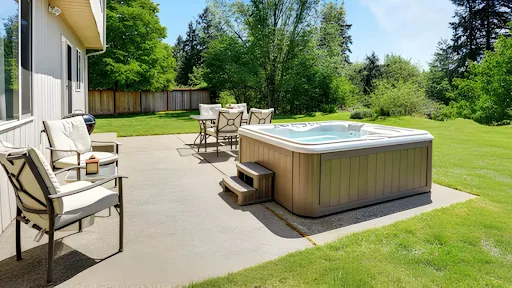
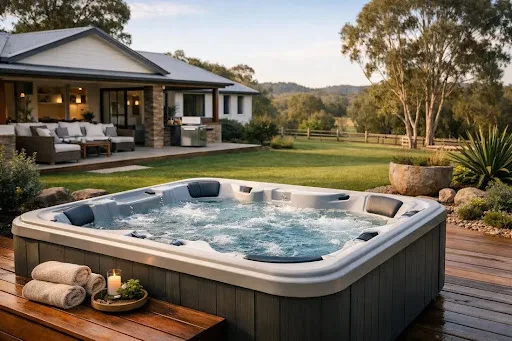
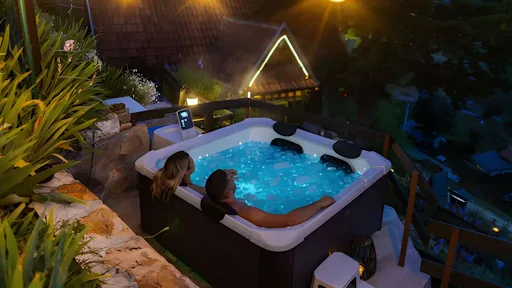
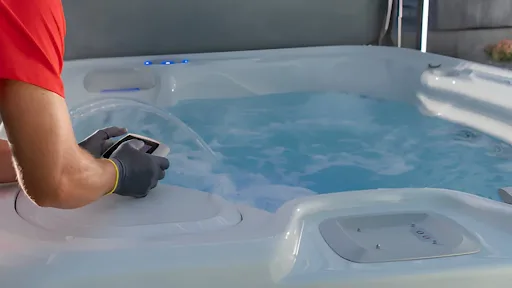
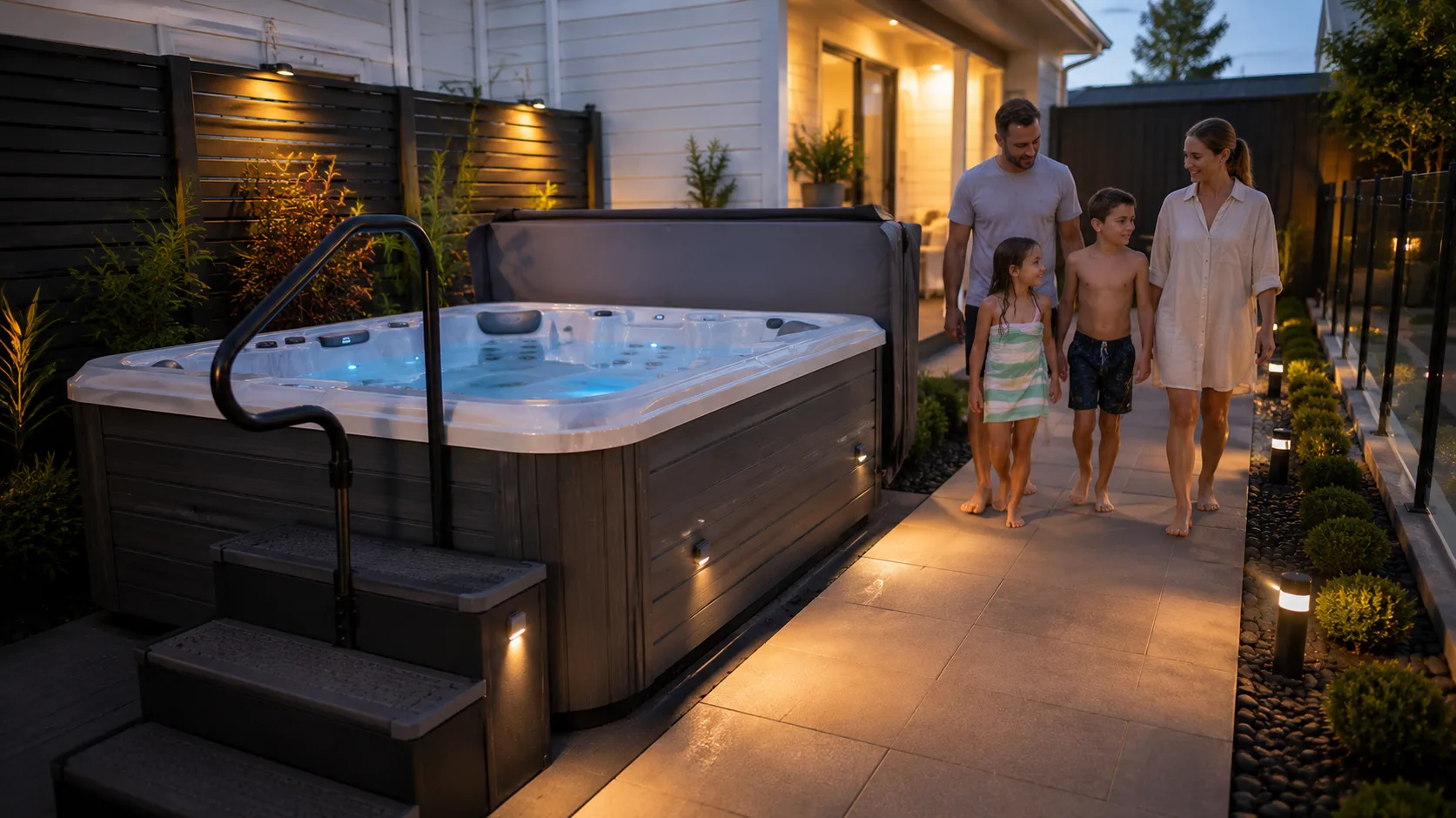
Winter can be one of the best times to enjoy a warm spa, but colder weather also means your equipment needs extra attention. Preparing your spa in winter before temperatures drop can help protect water quality, improve equipment efficiency and reduce the risk of unexpected maintenance issues. A well-maintained hot tub in winter can provide a comfortable place to relax while helping your heater, pumps and filtration system operate more efficiently.
This is particularly relevant for NSW homeowners. According to the Australian Bureau of Statistics – National, State and Territory Population, December 2025, New South Wales had an estimated population of 8.64 million people at 31 December 2025, increasing by approximately 104,600 people over the previous year. As more NSW households create comfortable outdoor living spaces, proper seasonal spa care can help protect a valuable investment. Follow these seven essential tips to keep your spa running efficiently throughout winter.
Why Winter Spa Preparation Is Important
Winter can place additional demands on a spa, particularly when temperatures drop and homeowners use their spa more frequently. Cold weather can increase heat loss, while leaves, rain and other outdoor debris may affect water quality and filtration. Preparing your spa in winter helps you identify small problems before they become expensive repairs.
Protecting Your Spa from Cold Weather
A properly functioning heater, circulation system and insulated cover can help your spa maintain a consistent water temperature. Regular checks are especially important if your spa is located outdoors and exposed to changing weather conditions.
Preventing Costly Repairs
Routine hot tub maintenance in winter can help you identify issues such as leaks, dirty filters and unusual pump noises early.
Enjoying Safe Winter Soaks
Winter preparation should also include checking your spa area for safety. NSW Government guidance states that spa and pool owners must meet applicable safety requirements, maintain barriers where required and ensure the pool area remains safe.
Tip 1: Deep Clean Your Spa Before Winter
Starting winter with a clean spa makes ongoing maintenance easier. Depending on your maintenance schedule and water condition, you may need to drain and clean the spa before the colder months begin.
Drain and Clean the Shell
If your spa is due for a water change, drain it according to the manufacturer’s instructions. Clean the shell with a suitable spa cleaner and avoid using household products that may create foam or affect water chemistry.
Remove Dirt and Debris
Remove leaves, insects and other debris from the water and around the spa. Pay particular attention to skimmer areas and places where debris can collect.
Clean or Replace Filters
Filters play an important role in maintaining clean water. Remove and clean them according to the manufacturer’s recommendations. If a filter is damaged or no longer performing effectively, replacing it may help improve water circulation.
Good hot tub maintenance in winter starts with clean water and properly functioning filtration.
Tip 2: Balance Your Water Chemistry
Maintaining balanced water chemistry is important throughout the year, but regular testing becomes particularly important when spa usage changes during winter.
Test Water Frequently
Test your spa water regularly for the chemical levels recommended by your spa manufacturer or water-care product instructions.
Key factors may include:
- pH
- Total alkalinity
- Sanitiser levels
- Calcium hardness
Maintain Proper Sanitiser Levels
Regular spa use introduces body oils, lotions and other contaminants into the water. Maintaining appropriate sanitiser levels helps keep the water clean.
Prevent Scale and Corrosion
Poor water balance can contribute to scale formation or corrosion over time. Testing your water and making gradual adjustments can help protect equipment.
A well-maintained hot tub in winter should provide clean and comfortable water without relying on excessive chemical adjustments.
Tip 3: Check the Heating System
Lorem ipsum dolor sit amet, consectetur adipiscing elit. Ut elit tellus, luctus nec ullamcorper mattis, pulvinar dapibus leo.
Inspect Heater Performance
Pay attention to how quickly your spa reaches and maintains the desired temperature. If heating takes noticeably longer than usual or the temperature fluctuates unexpectedly, it may be time to arrange a professional inspection.
Monitor Water Temperature
Avoid constantly making large temperature adjustments. Maintaining a consistent temperature may be more practical for regular users than repeatedly allowing the water to cool and reheating it.
Avoid Heat Loss
Heat loss can increase energy use. Keep the cover securely in place whenever the spa is not being used and inspect the cover for damage.
Proper heating maintenance helps make your spa in winter more comfortable and efficient.
Tip 4: Protect Your Spa Cover
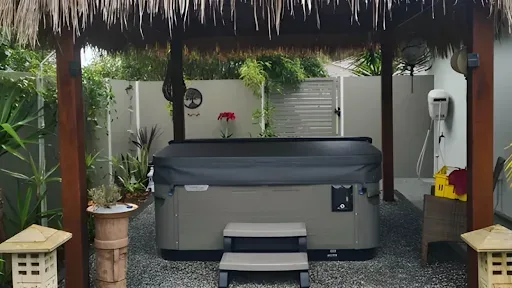
Your spa cover is one of the most important features for winter energy efficiency.
A quality cover helps reduce heat loss, protects the water from debris and reduces the workload placed on your heating system.
Inspect for Damage
Check your cover for:
- Tears
- Cracks
- Water absorption
- Broken straps
- Damaged insulation
A heavy or waterlogged cover may not insulate the spa effectively.
Improve Heat Retention
Always close the cover securely after using the spa. Even small gaps can allow heat to escape and increase heating costs.
Remove Water and Debris Safely
Remove leaves, standing water and debris from the cover regularly. Avoid using sharp tools that could damage the cover material.
For NSW homeowners, safety is also important when the spa is not in use. NSW Fair Trading explains that spa pools are subject to applicable swimming pool safety requirements, including child-resistant access measures in relevant situations.
Tip 5: Keep the Water Circulating
Good circulation is essential for maintaining water quality and protecting your spa equipment.
Prevent Frozen Pipes
Freezing pipes are more common in extremely cold climates. While much of coastal NSW experiences milder winters, cold conditions can still affect exposed equipment in some locations. Follow your manufacturer’s winter operating recommendations for your particular spa model.
Increase Filtration Time
Depending on spa usage and water condition, you may need to review your filtration schedule during winter.
Clean, circulating water helps the filtration and sanitising system operate effectively.
Monitor Pump Operation
Listen for unusual noises and check that water is circulating correctly. If your pump appears to be struggling, arrange an inspection before the problem becomes more serious.
Keeping water moving is an important part of maintaining a hot tub in winter.
Tip 6: Monitor Water Levels and Equipment
Winter is a good time to inspect your spa equipment regularly. Small leaks or equipment problems can become more noticeable when the system is working continuously.
Maintain Proper Water Levels
Keep the water level within the range recommended by your manufacturer. Water that is too low may affect circulation, while excessively high water can create problems when the spa is in use.
Inspect Pumps and Jets
Check your pumps and jets for:
- Reduced water flow
- Unusual noises
- Leaks
- Loose fittings
- Inconsistent jet performance
Watch for Leaks
Inspect the area around your spa cabinet and equipment. Small leaks can become more significant over time and may affect both water levels and equipment performance.
Regular hot tub maintenance in winter helps you catch potential issues before they require major repairs.
Tip 7: Use Your Spa Regularly
Regular use can help you stay familiar with how your spa normally operates.
Benefits of Regular Winter Use
Using your spa allows you to notice changes in:
- Water temperature
- Jet pressure
- Pump noise
- Water clarity
- Equipment performance
Keep Components Working Properly
Regular monitoring can help you identify problems early. However, simply using the spa does not replace routine cleaning, water testing or professional servicing when required.
Create a Maintenance Routine
Create a simple winter schedule that includes:
- Weekly water testing
- Cover inspections
- Filter checks
- Equipment inspections
- Water level monitoring
A consistent routine makes maintaining a spa in winter much easier.
Common Winter Spa Maintenance Mistakes
Avoiding common mistakes can help protect your equipment and improve your spa ownership experience.
Ignoring Water Testing
Don’t assume cold weather means water chemistry no longer matters. Regular testing remains essential.
Leaving the Cover Open
Leaving the spa uncovered allows heat to escape and debris to enter the water.
Forgetting Filter Maintenance
Dirty filters can reduce water flow and place additional pressure on the circulation system.
Turning Off the Heater
Before turning off your heater for an extended period, consider the manufacturer’s recommendations and local weather conditions. If you are closing the spa for a long period, follow the proper shutdown and winterisation process.
Skipping Routine Inspections
Small issues are usually easier to manage when identified early. Make regular hot tub maintenance in winter part of your seasonal routine.
Winter Spa Maintenance Checklist
A simple checklist can help keep your spa in good condition throughout the colder months.
Weekly Maintenance Tasks
- Test water chemistry
- Check water levels
- Remove debris
- Inspect the cover
- Check water clarity
- Listen for unusual equipment noises
Monthly Equipment Checks
- Inspect filters
- Check pumps and jets
- Look for leaks
- Check the spa cover
- Inspect visible plumbing connections
Seasonal Deep Cleaning
Depending on your water-care schedule and manufacturer recommendations, drain and deep clean the spa when required.
Energy-Saving Tips
- Keep the cover closed
- Repair damaged insulation
- Maintain clean filters
- Check for heat loss
- Avoid unnecessary temperature changes
Safety Checks
Make sure your spa area remains safe and complies with relevant requirements. NSW Fair Trading advises pool and spa owners to maintain safety measures and be aware of their obligations under NSW swimming pool laws.
When Should You Call a Spa Professional?
Some winter spa problems require professional attention. Contact a qualified spa professional if you notice persistent heating issues, significant leaks, pump failures, electrical concerns or water quality problems that do not improve with normal maintenance.
You should also seek professional advice if water circulation becomes inconsistent or equipment begins making unusual noises.
Electrical safety should always be taken seriously. NSW Fair Trading warns that pools, spas and electricity can be a dangerous combination and advises owners to ensure electrical equipment is suitable and properly installed.
If you need help maintaining your spa in winter, speaking with an experienced professional can help identify problems before they become costly repairs.
Conclusion
Preparing your spa in winter doesn’t have to be complicated. By cleaning your spa, balancing the water, checking the heater, protecting the cover and monitoring your equipment, you can help keep your spa operating efficiently throughout the colder months.
A properly maintained hot tub in winter provides a warm and relaxing place to unwind while helping protect your equipment and water quality. Regular inspections and proactive maintenance can also help you identify potential problems early.
Following these seven tips can make hot tub maintenance in winter easier and help you enjoy your spa with greater confidence throughout the season.
Ready to Enjoy Your Spa This Winter?
Proper winter maintenance can help protect your spa and create a more comfortable experience throughout the colder months. Whether you’re looking for a new spa, replacement accessories or professional advice, the team at Spas Newcastle can help you explore options for your home and lifestyle.
Website: https://spasnewcastle.com.au/
Email: sales@spasnewcastle.com.au
Phone: (02) 4942 3212
FAQs
Is It Safe to Use a Hot Tub in Winter?
Yes, a properly maintained hot tub in winter can be used during colder weather. Check water quality, equipment and the surrounding area regularly. Follow the manufacturer’s safety instructions and ensure your spa area meets applicable NSW safety requirements.
How Often Should I Test Spa Water During Winter?
Test your water regularly according to your spa manufacturer’s recommendations and your level of spa use. Frequent use may require more regular testing. Maintaining balanced water is an essential part of hot tub maintenance in winter.
Can My Spa Freeze if It's Running?
A functioning circulation and heating system can help protect the spa during cold conditions, but risks depend on your location, weather and equipment. Follow the manufacturer’s recommendations, particularly if your area experiences very low temperatures.
Should I Leave My Hot Tub On All Winter?
This depends on how often you use your spa, local conditions and the manufacturer’s recommendations. Regular users may prefer to maintain a consistent temperature, while long-term shutdown requires proper cleaning and winterisation procedures.
How Can I Reduce Winter Heating Costs for My Spa?
Use a quality insulated cover, maintain clean filters, inspect for heat loss and avoid unnecessary temperature changes. Regular hot tub maintenance in winter can also help equipment operate more efficiently.