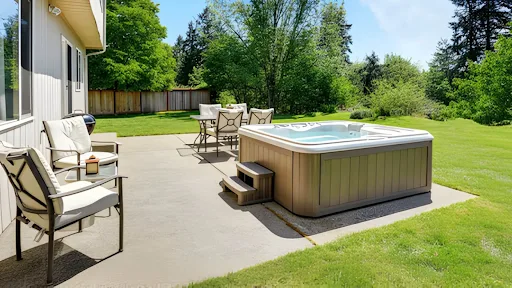
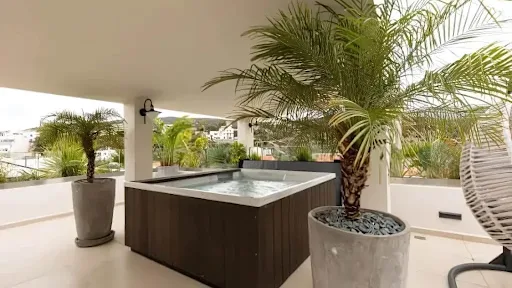
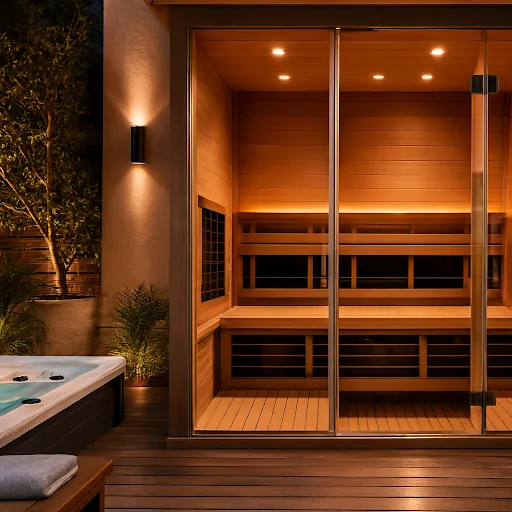
Regular spa care helps keep water clean, clear, safe and comfortable throughout the year. A reliable spa pool maintenance guide should cover more than adding chemicals. It also involves testing water chemistry, cleaning filters, removing debris, maintaining the shell and caring for the cover. These tasks help protect equipment and make spa ownership easier. Whether you own a compact spa pool or a larger swim spa, a consistent routine can prevent minor issues from becoming more difficult to manage. Swim spa maintenance may require extra attention because of the larger water volume, exercise features and frequent use. This guide explains the everyday, weekly, monthly and seasonal tasks that help Australian homeowners maintain their spa and enjoy it throughout the year.
Why Is Regular Spa Pool Maintenance Important?
Regular maintenance helps preserve water quality, protect equipment and create a more enjoyable soaking experience. Warm water and frequent use can introduce sweat, oils, dirt and other contaminants, making consistent cleaning and sanitising essential.
Keep Spa Water Clean and Clear
A combination of filtration, sanitisation and physical cleaning helps remove debris and manage contaminants. Without regular attention, water can become cloudy, develop unpleasant odours or accumulate residue around the waterline.
Maintain Healthy Water Chemistry
Balanced water chemistry supports sanitiser performance and helps maintain comfortable conditions for bathers. Incorrect pH or insufficient sanitiser can affect water quality, while unsuitable mineral levels may contribute to scale or equipment problems.
The NSW Health guidance for public swimming pools and spa pools explains the importance of disinfection, water monitoring and risk management. Although it focuses on public facilities, it provides useful background on spa water quality.
Protect Pumps, Filters and Other Equipment
Blocked filters can restrict circulation and place additional strain on equipment. Regular inspections help identify clogged cartridges, leaks, unusual pump noises and other problems before they become more serious.
Improve the Lifespan of Your Spa
Cleaning the shell, maintaining the cover and following the recommended servicing schedule can help reduce avoidable wear. Appropriate water balance also helps protect internal components from scale and corrosion.
Make Your Spa Safer and More Enjoyable
Good maintenance supports a more comfortable experience and helps reduce preventable water-quality risks. This spa pool maintenance guide can also help owners establish a routine that makes swim spa maintenance more manageable, even when the spa is used regularly.
Essential Spa Water Chemistry
Water chemistry is a central part of maintaining a spa. Filtration removes particles, while sanitising products help control microorganisms. Testing helps you understand what the water needs instead of relying on guesswork.
Check Your Spa's pH Levels
pH measures how acidic or alkaline water is. If it falls outside the recommended range, sanitiser performance, bather comfort and equipment protection may be affected. Test regularly and adjust the reading using a product intended for your spa.
The correct range depends on your system and product instructions. The CDC’s home pool and hot tub water treatment guidance explains how pH affects chlorine performance. Use Australian requirements and your spa manufacturer’s recommendations when deciding on the appropriate settings.
Maintain Total Alkalinity
Total alkalinity helps stabilise pH and reduce sudden fluctuations. When alkalinity is outside the recommended range, pH may become harder to control. Test it as directed and make adjustments gradually.
Monitor Sanitiser Levels
Chlorine, bromine or another approved sanitising system helps control microorganisms. Check the level with a suitable test kit and use the product instructions to determine the correct treatment.
Check Calcium Hardness
Calcium hardness measures the amount of dissolved calcium in the water. Unsuitable levels may contribute to scale or other water-balance problems. Test when recommended and adjust only when the readings indicate a need.
Test Water Regularly
Test pH and sanitiser according to your spa’s instructions, with additional checks after heavy use or significant water adjustments. Regular testing is an essential part of a spa pool maintenance guide, particularly when swim spa maintenance involves frequent exercise sessions or several bathers.
Chlorine Spa Maintenance: How to Keep Water Sanitised
Chlorine is commonly used to sanitise spa water by helping control bacteria and other microorganisms. Effective treatment depends on the correct concentration, suitable pH and regular monitoring. Adding more chlorine without testing is not a reliable way to improve water quality.
How Chlorine Works in Spa Water
Chlorine disinfects water when used at an appropriate concentration and pH. However, its effectiveness can be affected by contaminants, temperature and other water conditions.
How Often Should You Check Chlorine Levels?
Follow the testing schedule recommended by your spa manufacturer and chlorine product supplier. Check more frequently after heavy use, when water conditions change or if the test results indicate a problem. Never rely on water appearance alone to determine whether sanitiser levels are suitable.
When to Add Chlorine
Add chlorine when testing shows that the level needs adjustment. Use only a product designed for your spa’s sanitising system, and follow the specified dose and circulation instructions.
Never mix concentrated chemicals together. Keep people out of the spa while treating the water and until the product instructions and test results confirm it is suitable for use.
What Is Spa Shock Treatment?
Shock treatment involves adding an appropriate treatment dose to help address accumulated contaminants and support the water-care routine. The product may be chlorine-based or use a different approved formulation, depending on the system.
Shock treatment is not a substitute for regular sanitising, filtration or water testing. Follow the product label carefully and observe any required waiting period.
How to Avoid Over-Chlorinating Your Spa
Adding too much chlorine can create uncomfortable conditions and may damage some components. Test first, calculate the dose for your spa’s water volume and follow the label.
If the reading is higher than the recommended range, do not use the spa until it returns to an acceptable level. This approach to chlorine spa maintenance supports more reliable water care than adding chemicals by guesswork. Include regular testing and careful dosing in your wider spa pool maintenance guide.
Spa Cleaning Guide: How to Keep Your Spa Clean
Water treatment and physical cleaning work together. Sanitiser cannot remove every piece of debris, and filtration cannot compensate for poor water chemistry. This spa cleaning guide covers the main surfaces and components to include in your routine.
Clean the Spa Shell
When draining the spa, clean the shell with a non-abrasive product approved for the surface material. Avoid harsh household cleaners that may leave residues or damage the finish. Rinse thoroughly before refilling.
Wipe the Waterline
Body oils, sunscreen and cosmetics can collect around the waterline. Wipe the area with a compatible spa cleaner and a soft cloth, following the product instructions. Regular attention helps prevent stubborn residue from building up.
Remove Leaves and Debris
Use a suitable skimmer to remove leaves, insects and other floating material. For outdoor spas, check more frequently after windy weather or storms. Keeping the cover on when the spa is not in use can reduce debris entering the water.
Clean the Spa Cover
Dirt and moisture can accumulate on the cover, particularly underneath. Clean it according to the manufacturer’s instructions and inspect for damage or deterioration. Avoid products that could harm the cover material or introduce residues into the water.
Rinse and Clean the Filters
Rinse reusable cartridges to remove loose debris and use a compatible filter cleaner when required. Follow the recommended schedule and rinse thoroughly before reinstalling. Some filter types are disposable and should be replaced rather than cleaned.
Clean Around the Spa
Keep nearby decking, paving and steps free from leaves, dirt and spills. Clean the surrounding area with suitable products, taking care not to let household detergents run into the water.
Following this spa cleaning guide alongside routine water testing helps keep the spa in better condition. Include these tasks in your broader spa pool maintenance guide so that cleaning does not become an occasional, time-consuming job.
Swim Spa Maintenance: What Is Different From a Regular Spa?
A swim spa combines relaxation with swimming or exercise, so its maintenance requirements may differ from those of a conventional spa. The correct routine depends on its water capacity, jet system, filtration design and frequency of use.
Managing Larger Water Volumes
A larger water volume may take more time and products to treat, but it does not automatically mean that water quality will remain stable for longer. Bather load, temperature, filtration and contaminants all influence the water-care requirements.
Always calculate chemical doses using the actual water volume and the product instructions.
Cleaning Swim Jets and Exercise Systems
Swim jets and exercise features should be inspected according to the manufacturer’s maintenance schedule. Look for changes in water flow, unusual noise or visible debris around accessible fittings.
Do not dismantle pumps or jet components unless the manual permits it and you can do so safely. Seek professional assistance if the system shows persistent faults.
Maintaining High-Use Swim Spas
Exercise sessions can introduce sweat, oils and other contaminants. If several people use the swim spa regularly, monitor water chemistry and filter condition more closely.
Test the water after heavy use when recommended, and follow the instructions for restoring the correct sanitiser level.
Checking Filters and Circulation
Inspect filters regularly and watch for restricted flow or cloudy water. Swim spa circulation systems vary, so follow the maintenance requirements for the specific model. Do not operate the equipment without required filters installed.
Managing Water Temperature
Temperature affects comfort, evaporation and the way the water-care routine needs to be managed. Check the temperature settings and avoid unnecessary heating when the swim spa is not in use.
For reliable swim spa maintenance, combine water testing with inspections of the jets, filters and circulation system. A consistent spa pool maintenance guide can help owners organise these extra tasks without overlooking routine care.
How Often Should You Maintain Your Spa Pool?
Maintenance frequency depends on usage, water volume, weather and the type of spa system. Use the manufacturer’s schedule as your starting point and increase attention when the spa is used heavily.
Daily Spa Maintenance Tasks
- Check the water’s appearance and look for unusual odours or debris.
- Test sanitiser and pH as directed by your system.
- Remove floating leaves and other visible material.
- Make sure the cover is clean and properly positioned when the spa is not in use.
Weekly Water Care
- Review water chemistry and make any required adjustments.
- Rinse reusable filters if recommended for your model.
- Wipe the waterline and clean accessible surfaces.
- Check for unusual noises, reduced flow or visible leaks.
Monthly Cleaning and Inspection
- Deep-clean reusable filters using a compatible product when required.
- Inspect the cover, shell, fittings and accessible equipment.
- Check whether the water is becoming difficult to balance.
- Review your chemical supplies and replace expired testing products.
Periodic Deep Cleaning
Drain and refill the spa when required by the manufacturer or when water quality cannot be maintained effectively. Clean the shell and plumbing using suitable products, inspect the filters and balance the fresh water before use.
Seasonal Maintenance
Before summer, check the cover, filtration and sanitising routine ahead of increased use. After heavy rain or storms, remove debris and test the water. During winter, monitor temperature settings and protect exposed equipment according to the manual.
This spa pool maintenance guide provides a starting point, but your actual schedule should reflect the way you use the spa. A spa cleaning guide checklist can help you keep daily, weekly and periodic jobs organised.
Frequency | Main tasks |
Daily or as directed | Check water appearance and sanitiser; remove debris |
Weekly or as directed | Test water, inspect surfaces and rinse filters when required |
Monthly or as directed | Deep-clean filters and inspect accessible components |
Periodically | Drain, clean, refill and rebalance when required |
Seasonally | Check cover, equipment and weather-related maintenance needs |
How to Clean and Maintain Your Spa Filter
The filter captures suspended particles and helps maintain water clarity. A clogged or damaged cartridge can restrict circulation and make water care more difficult.
Check the Filter Regularly
Inspect the filter for visible debris, damage and signs of deterioration. If the water becomes cloudy or circulation weakens, check the filter as part of your troubleshooting process.
Rinse the Filter
Switch off the equipment as instructed before removing the cartridge. Rinse between the pleats with a gentle flow of water, taking care not to damage the filter material. Avoid pressure washers and stiff brushes unless the manufacturer specifically permits them.
Deep Clean the Filter
Use a cleaner designed for your filter type when a deeper clean is required. Follow the label directions and rinse thoroughly before reinstalling the cartridge. Household detergents and unsuitable chemicals may leave residues or damage the filter.
Know When to Replace the Filter
Replace cartridges when they are torn, worn, distorted or no longer clean effectively. Some specialised filters are disposable and must not be washed. Check your manual for the correct replacement type and schedule.
Keep a Spare Filter Available
A compatible spare cartridge can make maintenance easier, allowing you to rotate filters while one is being cleaned or dried if the manufacturer recommends this approach.
Including filter care in your spa cleaning guide supports water clarity and circulation. It is equally important for swim spa maintenance, especially where exercise sessions introduce more contaminants into the water.
How to Drain, Refill and Deep Clean Your Spa
Draining and refilling removes accumulated substances that routine filtration and water treatment may not adequately address. The correct interval varies by model, usage and water quality.
When Should You Drain Your Spa?
Consider replacing the water when it becomes difficult to balance, persistent cloudiness or residue remains despite appropriate treatment, or the manufacturer’s schedule calls for a change.
Prepare the Spa Before Draining
Read the manual and switch off power as instructed. Use a suitable plumbing-cleaning product beforehand only if recommended. Check local requirements for disposing of spa water, particularly if it contains treatment chemicals.
Clean the Shell and Plumbing
Once the spa is empty, clean the shell with a compatible product. If plumbing requires purging, follow the product instructions and the manufacturer’s procedure. Never mix cleaning chemicals, and rinse away residues as directed.
Refill With Fresh Water
Use the correct filling point and water level specified for your model. Follow the manufacturer’s instructions to reduce the risk of air locks or pump damage. Do not run equipment unless the system is filled and primed as required.
Balance the New Water
Test the fresh water and adjust pH, alkalinity and sanitiser according to your spa system and product labels. Allow the water to circulate for the specified period, then retest before use.
A thorough spa cleaning guide should include safe draining and refilling, not just surface cleaning. For effective swim spa maintenance, pay particular attention to the model’s larger water volume and follow the spa pool maintenance guide supplied by the manufacturer.
Common Spa Water Problems and How to Fix Them
Water changes can indicate that the spa needs cleaning, chemical adjustment or equipment attention. Identify the likely cause before choosing a treatment.
Cloudy Spa Water
Cloudiness can result from suspended particles, poor filtration, incorrect water chemistry or accumulated dissolved substances. Test the water, check the filter and follow the recommended treatment. If the problem persists, seek advice about whether a water replacement is needed.
Green or Discoloured Water
Discolouration can have several causes, including algae, metals or other contaminants. Test the water and inspect the equipment rather than assuming the problem is algae. Follow the recommended treatment for the identified cause and avoid using the spa until the water is suitable.
Foamy Spa Water
Foam may develop when soap, detergent, oils or cosmetics accumulate. Shower before use, rinse swimwear and maintain the filter. A spa-specific defoamer may reduce visible foam temporarily, but persistent foaming requires investigation.
Unpleasant Spa Odours
A strong or unusual odour may indicate water-quality problems, contaminants or a need to review sanitiser levels. Test the water and follow your system’s treatment instructions. Do not add extra chemicals blindly or use the spa until the issue is resolved.
Scale and Mineral Buildup
Scale may form when water balance and mineral levels are unsuitable. Test the water and use compatible products to correct the readings. Avoid scraping surfaces with abrasive tools, which can damage the shell or fittings.
The NSW Health public swimming pool and spa pool resources explain why disinfection, monitoring and appropriate responses to water-quality issues matter. For home spas, follow your model’s instructions and applicable local guidance as part of your spa pool maintenance guide. Consistent chlorine spa maintenance can help manage sanitation, but chlorine alone will not solve every water problem.
Seasonal Spa Pool Maintenance Tips for Australian Conditions
Australian weather can affect debris levels, evaporation, water temperature and how frequently your spa is used. Adjust your routine to suit local conditions and your manufacturer’s advice.
Preparing Your Spa for Summer
Warmer weather may mean more frequent use and increased exposure to sweat, sunscreen and outdoor debris. Test the water consistently, clean the filter as recommended and keep the cover clean. Encourage bathers to shower before entering.
Managing Heavy Rain and Storms
Rain can introduce debris and dilute the water, while storms may bring leaves and dirt into outdoor spas. After severe weather, inspect the area, remove visible debris and test the water before use. If flooding or contamination has affected the spa, follow professional or local public-health advice before reopening it.
Maintaining Your Spa During Winter
In cooler months, check that the heating and circulation systems operate as intended. Keep the cover in good condition to help retain heat and prevent debris entering the water. If freezing conditions are possible, follow the manufacturer’s winter protection instructions rather than switching off equipment without a plan.
Protecting Your Spa During Extended Periods of Non-Use
If you will not use the spa for an extended period, follow the manufacturer’s instructions for water treatment, filtration, temperature and cover care. Some systems can remain operational with reduced use; others may require draining or specific winterisation procedures.
A seasonal spa pool maintenance guide helps you adapt your routine to changing conditions. The same principles support swim spa maintenance, with additional checks for exercise jets and circulation features where applicable.
How to Create a Simple Spa Maintenance Routine
A checklist helps turn spa care into manageable tasks and makes it easier to spot changes before they become bigger problems.
Daily Water and Surface Checks
Look at the water, remove debris and test sanitiser as directed. Check for unusual odours, foam, cloudiness or changes in circulation. Record any issues rather than adding chemicals without testing
Weekly Chemical Testing
Test pH and sanitiser according to the manufacturer’s guidance, and check other water parameters as recommended. Make gradual adjustments using the correct products and follow their safety instructions.
Regular Filter Cleaning
Rinse reusable filters at the recommended interval and deep-clean them when required. Inspect for wear and replace damaged or disposable cartridges according to the manual.
Monthly Equipment Inspection
Check accessible fittings, the cover, visible hoses and the surrounding area. Watch for leaks, unusual pump noises and reduced water flow. Contact a qualified technician if you suspect an electrical or mechanical fault.
Periodic Drain and Refill
Replace the water according to the manufacturer’s schedule and actual water condition. Clean the shell and plumbing where recommended, refill safely and balance the fresh water before use.
Keep these tasks in one spa pool maintenance guide checklist that everyone in the household can follow. A practical spa cleaning guide also helps you keep track of filter cleaning, chemical supplies and servicing dates. With a routine in place, spa pool maintenance becomes more predictable and less time-consuming.
Conclusion
A consistent maintenance routine helps keep spa water clean, balanced and comfortable while protecting filters, pumps and other equipment. Regular testing, correct sanitiser levels, shell cleaning, cover care and filter maintenance all contribute to reliable spa performance. This spa pool maintenance guide provides a practical framework for daily, weekly, monthly and seasonal tasks, but your manufacturer’s instructions should always take priority. Swim spa maintenance may involve extra checks for larger water volumes and exercise features, yet a simple checklist can make these tasks easier to manage. By responding to water-quality changes early and avoiding guesswork with chemicals, you can enjoy your spa or swim spa throughout the year.
FAQs
How often should I clean my spa pool?
Check your spa daily, test water as directed and remove visible debris. Rinse filters at the recommended interval and clean the shell and waterline when needed. A regular spa cleaning guide should also include periodic deep cleaning and draining based on usage, water quality and manufacturer instructions.
What chemicals do I need for spa pool maintenance?
The products you need depend on your sanitising system and water test results. Common supplies may include an approved sanitiser, pH adjusters and other treatments recommended by the manufacturer. Follow a spa pool maintenance guide, test before dosing and never mix concentrated chemicals together.
How often should I change the water in my spa?
The interval varies with water volume, bather load, maintenance and the manufacturer’s recommendations. Many home spa owners replace water periodically, but there is no universal schedule for every model. Drain and refill when required by the manual or when water quality becomes difficult to maintain.
What is the difference between spa pool and swim spa maintenance?
Swim spa maintenance may involve a larger water volume, exercise jets and more frequent use, which can change testing, cleaning and equipment-inspection needs. Both types require balanced water chemistry, effective sanitisation, filter care and regular cleaning. Always follow the instructions for your specific model.
How do I keep my spa water clean and clear?
Test the water regularly, maintain the recommended sanitiser and pH levels, clean filters as directed and remove debris promptly. Showering before use can reduce oils and contaminants. Good chlorine spa maintenance means testing before adding products and following the manufacturer’s water-care instructions.
Need Help With Your Spa?
Looking after a spa is easier when you have the right equipment, accessories and maintenance information. If you need advice about your spa setup or accessories, contact Spas Newcastle.
- Website: https://spasnewcastle.com.au/
- Email: sales@spasnewcastle.com.au
- Phone: (02) 4942 3212