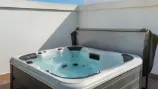
Choosing the right spa temperature is one of the most important factors in creating a safe, comfortable and enjoyable spa experience. If you’ve ever wondered, what temperature should your spa be, the answer depends on several factors, including the season, who is using the spa and whether it’s being used for relaxation, hydrotherapy or recovery after exercise. Finding the ideal spa temperature also helps improve energy efficiency, protect your spa equipment and maintain a comfortable spa water temperature throughout the year. Whether you’re a new spa owner or looking to optimise your existing setup, understanding the recommended temperature ranges can help you enjoy your spa with confidence. This guide explains the best temperature settings, important safety recommendations and practical energy-saving tips specifically for Australian spa owners.
Why Spa Temperature Matters
Maintaining the correct spa temperature is about more than simply making the water feel warm. The temperature you choose affects comfort, hydrotherapy benefits, operating costs and even the lifespan of your spa equipment. By keeping your spa within the recommended temperature range, you can create a more enjoyable experience while ensuring your heating system operates efficiently.
Improves Comfort and Relaxation
Warm water naturally helps the body relax by easing muscle tension and encouraging a sense of calm. Most people find that water between 37°C and 39°C provides the perfect balance between comfort and relaxation without feeling excessively hot. Whether you’re enjoying a quiet evening after work or spending time with family, the right temperature makes every spa session more enjoyable.
Supports Hydrotherapy and Muscle Recovery
Many Australians use their spa as part of their wellness routine. Warm water, combined with massage jets, helps relax tight muscles, reduce joint stiffness and improve circulation. Maintaining the correct temperature also enhances hydrotherapy by allowing muscles to loosen naturally, making post-exercise recovery and everyday relaxation more effective.
Protects Spa Equipment
Your spa’s heater, pumps and filtration system perform best when maintaining a consistent water temperature. Frequently raising and lowering the thermostat forces the heating system to work harder, which can increase wear on important components. Keeping a stable temperature may help extend the life of your equipment while reducing unnecessary maintenance.
Reduces Energy Consumption
Heating water is one of the largest operating costs for any spa. Rather than switching the heater off completely after each use, maintaining a steady temperature often requires less energy because the system only needs to replace small amounts of lost heat. Using a quality insulated spa cover further improves efficiency by reducing heat loss between uses.
According to the Swimming Pool & Spa Association of Australia (SPASA), regular maintenance and correct operation of spa equipment help improve efficiency, protect components and maximise the lifespan of your spa.
What Is the Ideal Spa Temperature?
The ideal spa temperature depends on how you plan to use your spa and who will be using it. While personal preference always plays a role, most manufacturers and industry experts recommend maintaining water between 37°C and 39°C for everyday use. Choosing the best spa temperature improves comfort while reducing unnecessary energy consumption and helping to maintain a safe environment.
Best Temperature for Everyday Relaxation
For general relaxation, a recommended spa temperature between 37°C and 38°C suits most healthy adults. This range provides soothing warmth without becoming uncomfortable during a typical 15 to 20-minute soak. It is also suitable for regular daily use while remaining energy efficient.
Recommended Temperature for Hydrotherapy
People using a spa for hydrotherapy often prefer slightly warmer water between 38°C and 39°C. This temperature range helps relax muscles, relieve stiffness and support recovery after physical activity. However, hydrotherapy sessions should generally be shorter to avoid overheating, particularly when using higher temperatures.
Maximum Safe Spa Temperature
Australian health authorities recommend that spa water should never exceed 40°C. Water hotter than this can increase the risk of dehydration, dizziness and heat-related illness. Children, older adults, pregnant women and people with certain medical conditions may need to use lower temperatures and should seek medical advice where appropriate.
Spa Temperature Comparison Table | |
Purpose | Recommended Temperature |
Everyday relaxation | 37–38°C |
Hydrotherapy | 38–39°C |
Children | 35–37°C |
Older adults | 36–38°C |
Maximum safe temperature | 40°C |
Selecting the right temperature not only improves comfort but also supports safer spa use for every member of the household.
NSW Health advises that spa pool water should not exceed 40°C, as higher temperatures increase the risk of overheating and dehydration during extended use.
Best Spa Temperature for Different Users
There is no single safe spa temperature that suits everyone. The ideal setting depends on a person’s age, overall health and the reason they are using the spa. Adjusting the temperature to suit different users helps maximise comfort while reducing the risk of overheating. If multiple family members use the spa regularly, consider choosing a moderate temperature that provides a safe and enjoyable experience for everyone.
Healthy Adults
For most healthy adults, a water temperature between 37°C and 39°C provides an ideal balance of comfort and relaxation. This range supports muscle recovery after exercise, encourages stress relief and allows users to enjoy a comfortable soak without excessive heat. Sessions of around 15 to 20 minutes are generally recommended, particularly when the water is close to 39°C.
Children
Children are more sensitive to heat than adults and can become overheated more quickly. A lower temperature of 35°C to 37°C is usually more suitable, with shorter soaking sessions and constant adult supervision. Ensuring children stay hydrated before and after using the spa is also important.
Older Adults
Many older adults use spas to relieve joint stiffness and improve mobility. A temperature between 36°C and 38°C is often the most comfortable, providing the benefits of warm water while reducing the likelihood of dizziness or dehydration. Individuals with cardiovascular conditions or other health concerns should consult their healthcare professional before using a spa.
Pregnant Women
Pregnant women should always seek medical advice before using a spa. Extended exposure to hot water, particularly above 38°C, may not be recommended during pregnancy. Lower temperatures and shorter soaking times are generally considered safer when approved by a healthcare provider.
Healthdirect Australia advises that pregnant women should avoid becoming overheated and recommends seeking medical advice before using heated spas or hot tubs during pregnancy.
Best Spa Temperature for Every Season
Australia’s climate varies considerably throughout the year, and adjusting your spa settings to suit the seasons can improve comfort while reducing heating costs. Choosing the correct winter spa temperature or lowering the thermostat during warmer months helps maintain an enjoyable spa experience while improving energy efficiency.
Ideal Spa Temperature During Summer
During summer, many Australian spa owners prefer temperatures between 35°C and 37°C. Slightly cooler water remains refreshing while still providing relaxation. Lowering the thermostat by just a few degrees can also reduce electricity consumption because the heater requires less energy to maintain the desired temperature.
Ideal Spa Temperature During Winter
Winter is when many people enjoy their spa the most. Temperatures between 38°C and 39°C provide a warm, soothing experience that helps relieve muscle tension and makes cooler evenings far more enjoyable. Using a quality insulated cover helps retain heat between sessions and minimises running costs.
Spring and Autumn Temperature Recommendations
The milder weather during spring and autumn makes 37°C to 38°C an ideal setting for most users. This moderate range delivers comfortable warmth without unnecessary heating, making it an excellent year-round option.
Seasonal Energy-Saving Tips
Simple seasonal adjustments can significantly improve efficiency. Lower the thermostat during extended periods of non-use, replace the spa cover immediately after each session and keep filters clean to ensure the heating system operates effectively. These small habits help maintain consistent water temperatures while reducing operating costs.
According to SPASA Australia, insulated spa covers help reduce heat loss, improve heating efficiency and lower ongoing energy consumption.
How Spa Temperature Affects Energy Efficiency
Maintaining an energy-efficient spa temperature benefits both your wallet and your spa equipment. Heating water accounts for much of a spa’s electricity use, so managing the temperature wisely can significantly reduce operating costs without sacrificing comfort.
Keep a Consistent Temperature
Many owners believe switching the heater off after every use saves energy. However, reheating completely cooled water often requires more electricity than maintaining a consistent temperature, especially when the spa is used several times each week.
Use a Quality Spa Cover
A well-insulated spa cover is one of the most effective ways to reduce heat loss. By preventing warm air from escaping and limiting evaporation, the cover allows the heater to run less frequently and improves overall efficiency.
Avoid Frequent Temperature Changes
Constantly adjusting the thermostat forces the heating system to work harder. Maintaining a steady temperature helps the heater operate more efficiently while reducing wear on pumps, heaters and control systems.
Lower the Temperature When Not in Use
If your spa won’t be used for several days or while you’re away, lowering the temperature by a few degrees rather than turning it off completely helps reduce energy consumption while allowing the spa to return to your preferred temperature much faster.
The Australian Government’s YourHome program recommends reducing unnecessary heat loss through effective insulation to improve energy efficiency in heated systems, including spas.
Health Benefits of the Right Spa Temperature
Maintaining the correct hydrotherapy temperature does more than improve comfort—it can also support your overall health and wellbeing. Warm water, combined with massage jets, creates an environment that encourages relaxation, improves circulation and helps relieve everyday aches and pains. While the benefits vary depending on the individual and the temperature selected, using your spa within the recommended range can maximise its therapeutic effects while reducing the risk of overheating.
Relieves Muscle Tension
Warm water helps muscles relax by increasing blood flow and reducing stiffness. Whether you’ve completed a workout, spent the day on your feet or simply have tight muscles from everyday activities, soaking in a spa can help ease discomfort and promote faster recovery.
Reduces Stress and Promotes Relaxation
One of the most popular reasons Australians invest in a spa is to create a peaceful space to unwind. The combination of warm water and hydrotherapy jets helps reduce physical tension while encouraging mental relaxation. A regular spa routine may help lower stress levels after a busy day.
Improves Blood Circulation
Warm water causes blood vessels to dilate, allowing blood to circulate more freely throughout the body. Improved circulation helps deliver oxygen and nutrients to muscles and joints, supporting recovery and reducing feelings of stiffness after physical activity.
Supports Better Sleep
Using a spa in the evening can help prepare your body for sleep. As your body relaxes and muscle tension decreases, it becomes easier to unwind before bedtime. Many spa owners find that a short soak before bed contributes to a more restful night’s sleep.
Healthdirect Australia explains that warm water therapy can help relax muscles, ease joint discomfort and support overall wellbeing when used safely and appropriately.
Spa Temperature Safety Tips
While spas provide excellent relaxation and hydrotherapy benefits, following proper spa safety practices is essential. Using the correct water temperature and following recommended guidelines helps prevent overheating, dehydration and accidents, ensuring every spa session remains enjoyable for all users.
Never Exceed 40°C
Australian health authorities recommend that spa water should never exceed 40°C. Temperatures above this level may increase the risk of dizziness, dehydration and heat-related illness. If the water feels uncomfortably hot, reduce the temperature before entering.
Limit Soak Time
Even when using a safe temperature, it’s best to limit each spa session to around 15–20 minutes. Spending extended periods in hot water can cause your body temperature to rise, increasing the likelihood of fatigue or dehydration.
Stay Hydrated
Warm water naturally causes the body to lose fluids through perspiration. Drinking water before and after using the spa helps replace lost fluids and supports safe, comfortable use. Avoid consuming alcohol while using the spa, as it may increase the risk of dehydration.
Supervise Children at All Times
Children should always be supervised by a responsible adult when using a spa. Lower temperatures and shorter sessions are recommended for younger users, and children should never enter a spa without close supervision.
Royal Life Saving Australia highlights the importance of active adult supervision around pools and spas and encourages homeowners to follow safe operating practices to reduce the risk of injury and drowning.
How to Adjust Your Spa Temperature Correctly
Setting your spa to the correct temperature is straightforward, but making gradual adjustments helps your heating system perform efficiently. Following the correct spa thermostat settings also helps maintain a comfortable water temperature while reducing unnecessary energy use.
Check Your Current Water Temperature
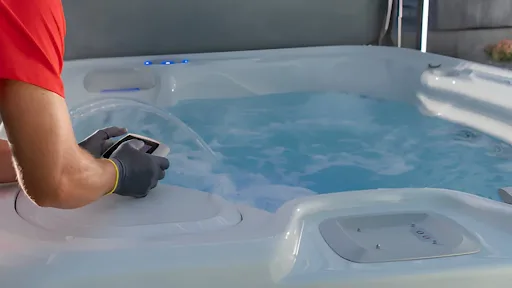
Begin by checking the water temperature using your spa’s digital display or a reliable waterproof thermometer. Confirming the current reading helps you determine whether any adjustments are needed before entering the spa.
Adjust the Control Panel
Increase or decrease the thermostat using your spa’s control panel according to the manufacturer’s instructions. Small adjustments are generally more efficient than making large temperature changes all at once.
Allow Time for Heating
Once you’ve selected your preferred temperature, allow enough time for the water to heat evenly. The heating time depends on the starting temperature, weather conditions and the capacity of your spa heater.
Confirm the Final Temperature
Before entering the spa, check that the water has reached the desired temperature. Verifying the final reading ensures the spa is comfortable and safe for everyone using it.
SPASA Australia recommends following the manufacturer’s operating instructions and carrying out regular equipment maintenance to help ensure safe, efficient spa performance.
Common Spa Temperature Mistakes to Avoid
Even experienced spa owners can make simple mistakes that affect comfort, increase operating costs and reduce equipment efficiency. Avoiding these common issues helps keep your spa running smoothly while maintaining safe and consistent water temperatures.
Setting the Temperature Too High
Keeping your spa above the recommended temperature may increase the risk of overheating while placing unnecessary strain on the heating system. Staying within the recommended range provides a safer and more comfortable experience.
Turning the Heater Off After Every Use
Many people assume switching the heater off saves electricity. However, reheating completely cooled water often requires more energy than maintaining a consistent temperature, particularly if the spa is used regularly.
Leaving the Spa Uncovered
A spa loses heat quickly when left uncovered. Replacing the insulated cover immediately after use helps reduce evaporation, improve energy efficiency and maintain a consistent water temperature.
Ignoring Seasonal Temperature Adjustments
Outdoor temperatures change throughout the year, so adjusting your spa settings accordingly improves comfort while helping reduce electricity costs. Small seasonal changes can have a noticeable impact on energy efficiency over time.
According to SPASA Australia, maintaining a consistent temperature, using an insulated spa cover and servicing equipment regularly all contribute to improved energy efficiency and reliable spa performance.
Accessories That Help Maintain the Perfect Spa Temperature
The right spa accessories can make a noticeable difference to your spa’s performance, comfort and energy efficiency. While your heating system maintains the water temperature, quality accessories help reduce heat loss, improve convenience and protect your investment. Adding a few essential accessories can also lower ongoing running costs and ensure your spa is always ready to use.
Insulated Spa Covers
A premium insulated spa cover is one of the most effective ways to retain heat. It helps minimise evaporation, keeps debris out of the water and reduces the workload on your heater. A properly fitted cover can significantly improve energy efficiency while maintaining a more consistent water temperature.
Spa Cover Lifters
A spa cover lifter makes removing and replacing heavy spa covers quick and effortless. Because it encourages owners to replace the cover immediately after each use, it helps reduce heat loss while extending the life of the cover by preventing unnecessary dragging and damage.
Floating Thermal Blankets
Floating thermal blankets sit directly on the water’s surface, creating an additional layer of insulation beneath the spa cover. They reduce evaporation, improve heat retention and help your heating system maintain a stable temperature with less energy.
Floating Thermal Blankets
Floating thermal blankets sit directly on the water’s surface, creating an additional layer of insulation beneath the spa cover. They reduce evaporation, improve heat retention and help your heating system maintain a stable temperature with less energy.
Digital Spa Thermometers
A digital spa thermometer provides accurate temperature readings, allowing you to monitor your spa easily. Regularly checking the water temperature ensures your spa remains comfortable, safe and operating within the recommended range.
According to SPASA Australia, quality spa accessories and regular maintenance help improve equipment performance, reduce operating costs and extend the lifespan of spa components.
Benefits of Maintaining the Ideal Spa Temperature
Maintaining the ideal spa temperature consistently provides long-term benefits for both your spa and its users. A stable spa water temperature creates a comfortable environment for relaxation while helping the heating system operate more efficiently. Instead of constantly reheating cold water, your spa only needs to replace the small amount of heat naturally lost between uses.
Maintaining the correct temperature also supports effective hydrotherapy by keeping the water within the recommended therapeutic range. It helps reduce wear on heaters, pumps and control systems, which may lower maintenance costs over time. Combined with regular servicing, clean filters and quality insulation, proper temperature management improves comfort, protects your investment and keeps your spa ready to enjoy throughout every season.
Ready to Enjoy Your Spa at the Perfect Temperature?
Finding the perfect spa temperature is easier when you have the right products and expert advice. Whether you enjoy your spa for relaxation, hydrotherapy or family time, maintaining the correct temperature helps create a more comfortable, energy-efficient and enjoyable experience throughout the year.
At Just Spas, we offer a wide range of premium spas, swim spas, spa covers, water care products and accessories designed to help Australian homeowners get the most from their investment. Our knowledgeable team can recommend the right products to improve energy efficiency, simplify maintenance and keep your spa performing at its best. Contact Just Spas today to discover how we can help you enjoy your spa in every season.
Conclusion
If you’ve been wondering what temperature should your spa be, the answer depends on your personal preferences, the season and how you intend to use it. For most Australian spa owners, maintaining the ideal spa temperature between 37°C and 39°C provides an excellent balance of comfort, safety and energy efficiency. By following recommended temperature guidelines, using quality accessories and performing regular maintenance, you can protect your spa equipment while creating a more enjoyable experience for family and friends. Small adjustments throughout the year can make a significant difference to comfort, operating costs and the long-term performance of your spa.
According to the Australian Government’s Your Home guide, reducing unnecessary heat loss through effective insulation and maintaining efficient heating systems can significantly improve energy performance and lower ongoing energy consumption. For spa owners, using an insulated spa cover and maintaining a consistent water temperature are practical ways to improve efficiency and reduce operating costs.
If you’re looking for expert advice on maintaining the ideal spa temperature or choosing the right spa for your home, the team at Spas Newcastle is here to help. Whether you need guidance on spa care, accessories or selecting a new spa, contact us today on (02) 4942 3212 or email sales@spasnewcastle.com.au. Our experienced team is ready to help you enjoy a safe, comfortable and energy-efficient spa all year round.
Frequently Asked Questions (FAQs)
What temperature should your spa be for everyday use?
If you’re asking what temperature should your spa be for everyday use, most experts recommend 37°C to 38°C. This recommended spa temperature offers a comfortable balance between relaxation, safety and energy efficiency for healthy adults during regular spa sessions.
Is 40°C too hot for a spa?
No, but 40°C is generally considered the maximum safe operating temperature. Spending extended periods in water this hot may increase the risk of overheating or dehydration. Many spa owners prefer temperatures between 37°C and 39°C for greater comfort.
Should I lower my spa temperature during summer?
Yes. Reducing the temperature to around 35°C to 37°C during warmer months can improve comfort while reducing electricity consumption. Small seasonal adjustments help maintain an enjoyable spa experience and improve energy efficiency.
Does lowering my spa temperature save electricity?
Yes. Lowering your spa temperature when it won’t be used for several days can reduce heating costs. Pairing this with an insulated spa cover and regular maintenance further improves efficiency while helping your spa maintain the recommended spa temperature.
What is the best spa temperature for hydrotherapy?
Most hydrotherapy sessions are most comfortable between 38°C and 39°C. This temperature range helps relax muscles, improve circulation and support recovery after exercise while remaining within recommended safety guidelines. Always seek medical advice if using hydrotherapy for a specific health condition.