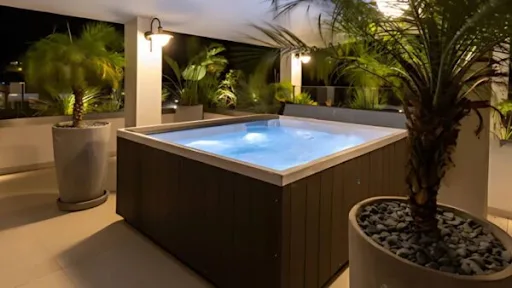
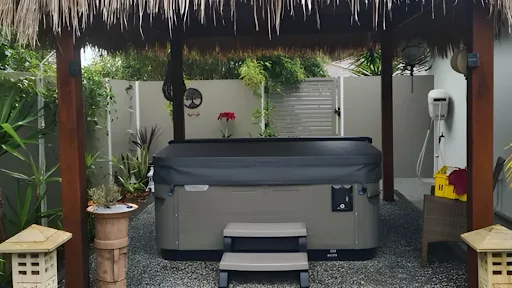
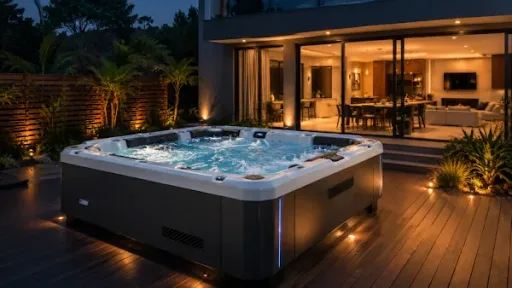
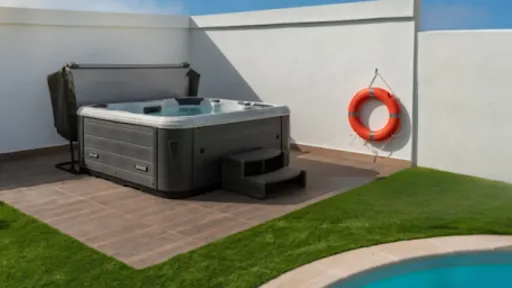
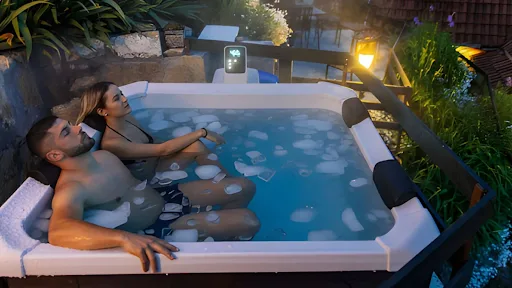
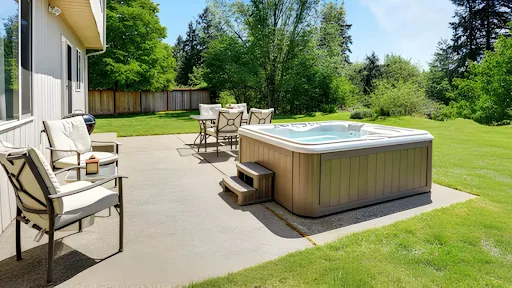
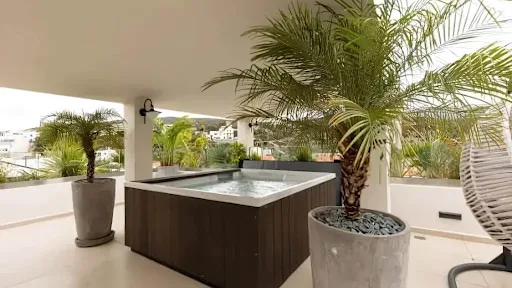
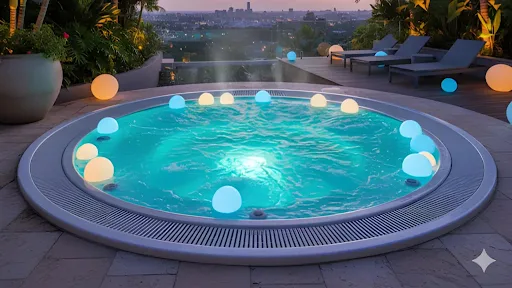
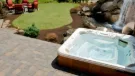
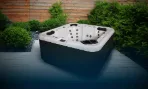
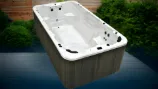
In urban backyards where space is scarce and living standards are still high, lap and plunge pools are growing in popularity. These tiny pools are attractive, functional, and compact, providing year-round relaxation, fitness opportunities, and cooling relief. But because of their decreased water volume, they need constant attention.
Water balance, equipment efficiency, and top-notch surface condition are all guaranteed by proper plunge pool maintenance. Similarly, routine plunge pool cleaning keeps your pool pristine and attractive all year round. Even a small urban pool may maintain its clarity and usability throughout the year with the correct maintenance.
Importance of Regular Maintenance for Urban Lap and Plunge Pools
Compared to conventional backyard pools, urban plunge pools have substantially less water. They are more susceptible to changes in water chemistry and pollution, even if this makes them more economical and space-efficient. Water quality can be rapidly impacted by minor variations.
They accumulate dirt, detritus, body oils, and sunscreen more quickly due to their small size. Balance can be notably impacted by even a small number of swimmers. Because of this, regular plunge pool maintenance is necessary to stop the water’s clarity and cleanliness from rapidly declining.
Inadequate management of restricted circulation zones may also result in an unequal distribution of sanitizer. The system runs smoothly and maintains the pool’s safety, cleanliness, and appeal for year-round usage with regular monitoring and maintenance.
How to Keep Plunge Pool Water Clean and Balanced
Effective plunge pool cleaning starts with maintaining clean, balanced water. Proactive maintenance is essential because plunge pools contain less water to dilute pollutants.
Test Water Chemistry Frequently
Active-use pools should undergo testing at least twice or three times every week.
- To guarantee proper sanitation, keep an eye on the chlorine levels.
- To safeguard skin and equipment, maintain the proper pH, which is often between 7.2 and 7.6.
Regular testing aids in preventing chemical imbalances before they manifest as issues.
Adjust Sanitiser Levels Consistently
To stop bacteria from growing, sanitizer levels must stay constant. Chlorine in tiny pools can easily run out, particularly in hot weather or when used frequently.
By keeping levels in check, dangerous microbes are avoided, and the chance of skin and eye irritation is decreased.
Control Algae Before It Forms
Algae spreads quickly in small waterways. Treatment is more difficult than prevention.
- Keep the water flowing steadily.
- Regularly brush the steps and walls to prevent early growth.
Regular brushing and adequate circulation greatly lower the chance of algae.
Shock the Pool When Needed
Shocking removes impurities and restores the efficiency of sanitizers.
- Shock following prolonged use or social events.
- Shock after rain, contaminated trash, or murky water.
Clarity is enhanced, and the chemical balance is restored.
Maintain Proper Water Circulation
Chemicals are dispersed uniformly when there is proper circulation.
- Run the pump throughout the suggested hours every day.
- To steer clear of sluggish corners, adjust the return jets.
Good mobility lowers contaminant accumulation and enhances filtration.
How to Maintain Filtration and Circulation Systems
Reliability in plunge pool maintenance requires a functioning filtration system. Water quality can be rapidly impacted by minor problems because plunge pools use compact systems.
Clean Filters Regularly
Filters collect detritus, oils, and grime. Cartridge filters should be deep cleaned sometimes and rinsed every two to four weeks. Filters that are dirty strain the pump and decrease efficiency.
Check Pump Operation
Keep an ear out for odd sounds or decreased flow. Make sure the pump is operating for enough hours each day to maintain circulation. Clarity is maintained and stagnation is avoided through consistent functioning.
Monitor Skimmer Performance
Skimmer baskets should be emptied often, particularly in metropolitan areas where trees or wind-blown material are present. Water flow is restricted by blocked skimmers, which lessens cleaning efficiency.
Replace Worn Components Promptly
Check for wear on filter cartridges, seals, and O-rings. Efficiency and pressure might be decreased by minor leaks or damaged components. Early problem-solving saves money on later, expensive repairs.

How to Prevent Common Urban Pool Maintenance Problems
Urban plunge pools encounter particular difficulties because of their close proximity to buildings, restricted airflow, and focused use. Your system’s lifespan can be increased, and maintenance requirements decreased, with wise habits.
Avoid Overcrowding the Pool
Large gatherings are not intended for small pools. Filtration systems are strained and additional pollutants are introduced by overcrowding. Use only as much as is advised.
Don’t Skip Routine Cleaning
Regular brushing and cleaning are required even if the water appears clear. When frequent plunge pool cleaning is neglected, trash and oils build up undetected.
Manage Debris From Surroundings
Urban settings frequently bring pollution, dust, and leaves. To lessen accumulation, cover the pool while not in use and skim the top frequently.
Address Cloudy Water Early
An early indicator of an imbalance is cloudy water. Check the effectiveness of the filtration system and test chemicals right away. Algal breakouts and more serious problems can be avoided with prompt action.
Conclusion
Consistency and attention to detail are necessary to maintain a top-notch urban lap or plunge pool. Due to their small size, minor problems can quickly become more serious if they are not addressed.
You may guarantee safe and pleasurable swimming all year long by giving regular testing, adequate circulation, equipment maintenance, and proactive plunge pool cleaning first priority. A well-planned maintenance schedule prolongs the life of your pool system and safeguards the purity of the water. Your plunge pool will continue to be a cool and welcoming addition to your urban backyard in all seasons if you follow the proper maintenance schedule.
Ready to create the perfect spa for your home? Contact our team at sales@justspasnewcastle.com.au or call (02) 4942 3212 to get started today.
Frequently Asked Questions
How often should a plunge pool be cleaned?
While brushing and vacuuming may be necessary every one to two weeks, depending on usage, basic plunge pool maintenance chores like skimming and filter checks should be completed once a week. Cleaning your plunge pool on a regular basis keeps the water clear and stops trash buildup.
Can plunge pools be used year-round?
Indeed, a lot of plunge pools are heated for year-round use. Safe swimming is guaranteed throughout the year with proper plunge pool maintenance and regulated water chemistry. Year-round system performance is ensured by routine plunge pool maintenance.
What causes cloudy water in plunge pools?
High levels of contaminants, chemical imbalances, or inadequate filtration are the usual causes of cloudy water. Clarity will be restored and other problems will be avoided with prompt testing, remedial plunge pool maintenance, and focused plunge pool cleaning.