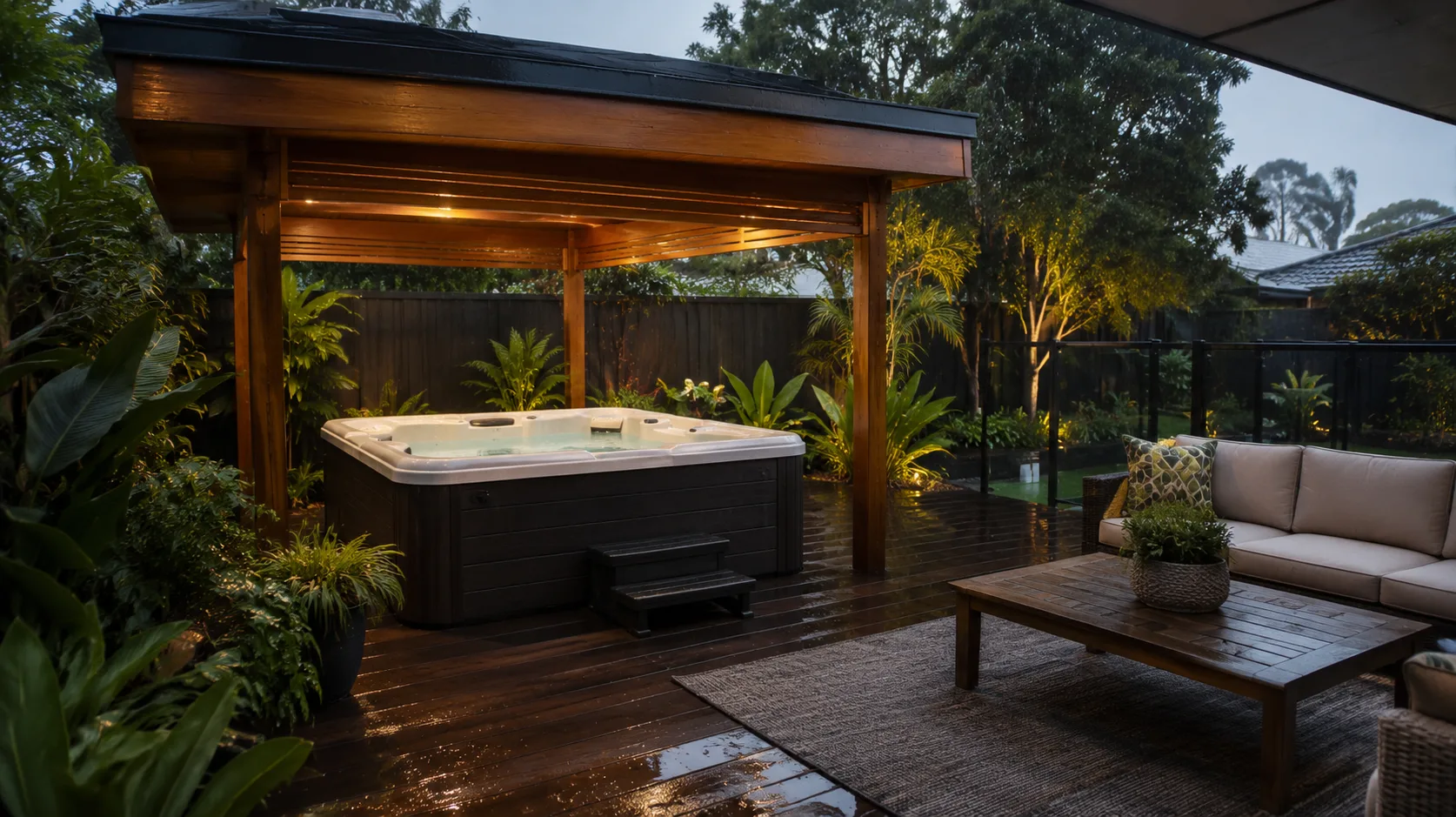
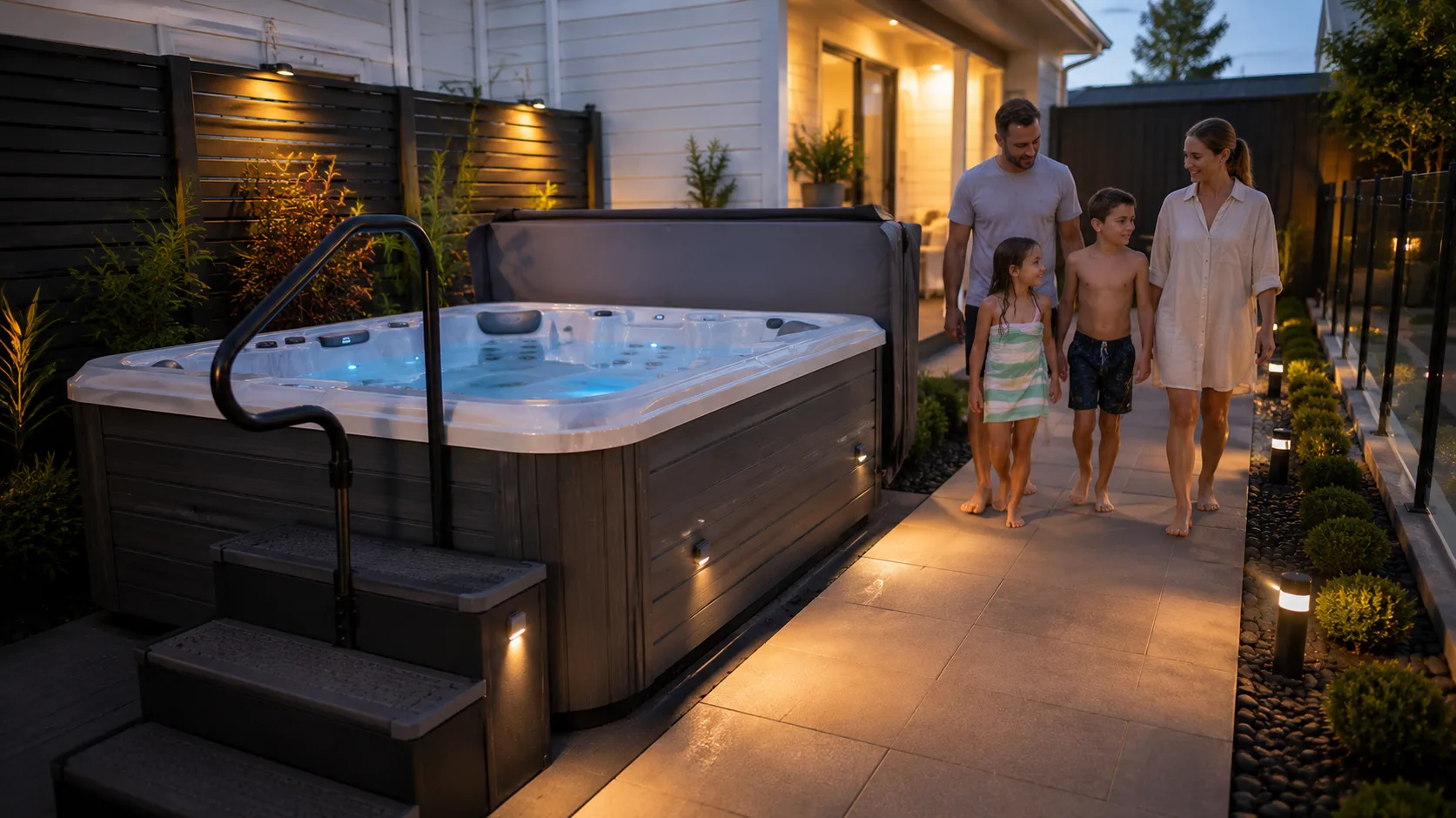
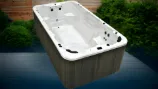
Heavy rain and severe storms can create challenges for homeowners across New South Wales, particularly when outdoor areas contain valuable equipment such as spas and swim spas. From excess rainwater and debris to power outages, flooding and strong winds, taking a few precautions before a storm can help protect your spa and make post-storm maintenance easier.
The need for storm preparation is particularly relevant in NSW. The Australian Bureau of Statistics reported that New South Wales had an estimated population of 8.641 million people at 31 December 2025, with the state’s population increasing by 104,600 people, or 1.2%, over the previous year.
For spa owners, understanding basic hot tub safety and storm preparation can help protect both the equipment and the people using it.
NSW SES identifies September to April as the state’s main storm season, although major storms can happen at any time of the year. Storms can bring destructive winds, heavy rainfall, damaging hail and flash flooding.
If you own a spa in Newcastle or elsewhere in NSW, preparing before severe weather arrives is much easier than dealing with avoidable problems afterwards.
Why Does Heavy Rain Affect Your Spa?
A properly installed spa is designed to operate outdoors, but heavy rain and severe weather can still affect the surrounding area, water quality and equipment.
Rainwater can introduce dirt, pollen and other contaminants into the spa, particularly if the cover is damaged or not properly secured. Strong winds can also blow leaves, branches and other debris around the backyard.
Large amounts of rain can affect the water balance by adding fresh water to the spa. If contaminants enter the water at the same time, you may need to test and adjust the water chemistry once the weather clears.
Storms can also create problems that are not directly related to the spa itself. Blocked drains, flooding, falling branches and unsecured outdoor furniture can all create hazards around an outdoor spa.
This is why hot tub safety should include both spa maintenance and consideration of the surrounding property.
When Is Storm Season in NSW?
According to NSW SES, storm season traditionally runs from September through April, although severe storms can occur outside this period.
NSW SES reported that during the 2024–25 financial year, it responded to 54,180 incidents, including 39,662 storm incidents and 9,369 flood incidents.
These figures demonstrate why storm preparation should not be overlooked.
For homeowners with outdoor spas, preparing the backyard before periods of severe weather can reduce some of the potential risks associated with heavy rain and strong winds.
1. Inspect and Secure Your Spa Cover
Your spa cover is one of the first things you should check before storm season.
Inspect the cover for:
- Tears or cracks
- Damaged hinges
- Broken straps or clips
- Signs of waterlogging
- Loose sections
- Damage around the edges
- Areas that no longer fit securely
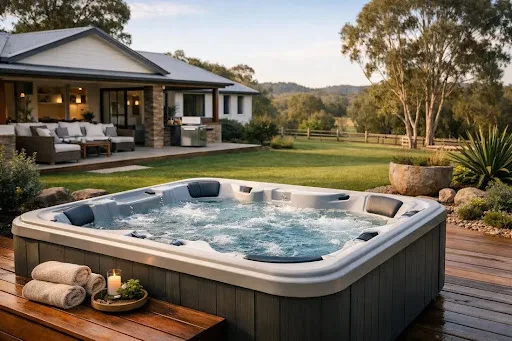
A good-quality, properly fitted cover can help prevent leaves, dirt and other debris from entering the spa during heavy weather.
For example, Spas Newcastle offers swim spa models with cover options such as the AquaTherm Lockable Hardcover and AquaGlide Rolling Cover. The AquaStream Family, for example, can be configured with either option.
If you are considering upgrading your existing spa or looking for a new spa with an appropriate cover solution, you can explore the Spas Newcastle spa range.
A secure cover is useful throughout the year, not just during storm season.
2. Can You Use a Spa With Rain?
A common question from spa owners is whether it is safe to use a spa with rain.
Light rain does not necessarily mean you have to stop using an outdoor spa. However, thunderstorms and lightning are a completely different situation.
If lightning or severe thunderstorms are present, the safest approach is to stay out of an outdoor spa and seek secure shelter. NSW SES advises people to seek shelter during storms and stay away from dangerous areas such as trees and powerlines.
Wet surfaces can also become slippery. This is especially important around spa steps, decking and other areas where people enter and exit the spa.
For good hot tub safety, avoid using an outdoor spa during lightning and severe storm conditions and wait until the weather has passed.
3. What Is an Indoor Rainstorm Spa?
The phrase indoor rainstorm spa can refer to an indoor spa experience where users can enjoy the atmosphere of rain while remaining under shelter. Indoor installations can reduce direct exposure to outdoor rain, but they still need to be properly designed and maintained.
An indoor spa area should have suitable ventilation and moisture management. Warm spa water naturally produces humidity, so adequate ventilation can help reduce condensation and moisture accumulation.
Indoor installations should also have appropriate drainage and electrical systems installed by qualified professionals.
Being indoors does not remove the need for hot tub safety. Electrical equipment, water and wet surfaces still need to be managed appropriately.
4. Test Your Spa Water Before Heavy Rain
Testing your water before a major weather event gives you a useful baseline.
Check:
- pH
- Sanitiser levels
- Alkalinity
- Water clarity
- General water condition
If your water is already cloudy or poorly balanced, address the issue before the storm if possible.
Heavy rain can alter water chemistry, while wind can introduce organic material and debris. Once the storm has passed, test the water again before using the spa.
If you’re considering a new spa or swim spa with features designed to support water quality and convenience, the Spas Newcastle swim spa range includes models with different configurations and optional features.
5. Secure Loose Items Around Your Spa
One of the easiest storm-preparation steps is also one of the most important.
Before strong winds arrive, secure or move loose items such as:
- Outdoor chairs
- Tables
- Umbrellas
- Toys
- Lightweight garden furniture
- Plant pots
- Spa accessories
- Cleaning equipment
- Decorations
NSW SES specifically recommends securing loose items around your home and yard before storms. It also recommends trimming trees and branches, cleaning gutters, downpipes and drains, and moving vehicles away from trees.
This advice is particularly relevant to spa owners because unsecured objects can potentially damage a spa cover or cabinet if blown around during strong winds.
6. Check Drainage Around Your Spa
Heavy rainfall can quickly expose drainage problems.
Before storm season, inspect the area around your spa and make sure nearby drains, grates and drainage paths are clear of leaves and other debris.
NSW SES recommends cleaning gutters, downpipes and drains as part of storm preparation.
Look for areas where water tends to collect after rain.
If water regularly pools around your spa, investigate the cause before the next major storm. Persistent water accumulation can create problems for the surrounding structure and equipment.
If your property is prone to flooding, consider obtaining professional advice about drainage and stormwater management.
7. Keep Trees and Branches Away From the Spa
Trees can provide welcome shade around an outdoor spa, but branches can become a hazard during severe weather.
NSW SES recommends trimming trees and branches near properties before storms.
Inspect trees surrounding your spa for branches that appear damaged, unstable or excessively close to the spa, cover or other structures.
Do not attempt to remove large or dangerous branches yourself. Use a qualified arborist where necessary.
This is another important part of hot tub safety because protecting the spa also means protecting the people and structures around it.
8. Protect Electrical Equipment During Storms
Electrical safety should always be treated seriously around any spa.
Water and electricity can create dangerous conditions, particularly if flooding occurs.
NSW SES provides specific advice about electricity, gas and water safety during emergencies and recommends seeking professional assessment for damaged electrical items and structures.
If water has reached electrical equipment, do not attempt to inspect or repair it yourself.
Never handle electrical equipment while standing in water or when your hands are wet.
If your spa appears to have electrical damage after a storm, arrange for a suitably qualified professional to inspect the equipment before attempting to use it.
This is one of the most important aspects of hot tub safety during storm season.
9. What Should You Do If Your Spa Loses Power?
Power outages can occur during severe weather.
If your spa loses power during a storm, prioritise personal safety rather than attempting to troubleshoot the equipment while conditions remain dangerous.
Once the storm has passed and it is safe to inspect the area, check whether the spa has returned to normal operation.
If the power has been restored but you notice:
- Error messages
- Unusual noises
- Leaks
- Reduced water flow
- Heating problems
- Filtration problems
- Electrical faults
stop using the spa and seek professional assistance.
An extended power outage can also interrupt normal filtration and water circulation. Check the water carefully before returning to normal use.
10. Clean Your Spa After Heavy Rain
Once the storm has passed, inspect the spa before getting back in.
Start by checking the cover and surrounding area for leaves, branches and other debris.
Then inspect the water.
Heavy rainfall may have changed the water balance, while debris may have introduced contaminants.
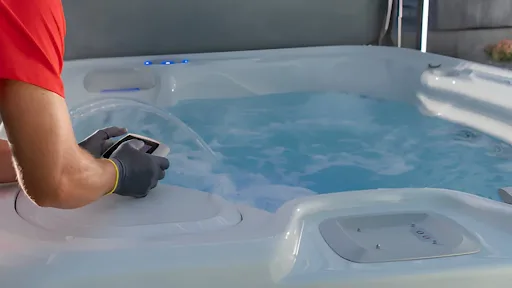
Test the water and adjust the chemistry according to your spa manufacturer’s recommendations.
If the water is cloudy or contaminated, allow the filtration system to operate appropriately and clean the filter if required.
Do not use the spa until the water is clean and properly balanced.
11. Check and Clean the Spa Filter
Your spa filter may have more work to do after heavy rainfall.
Debris and organic material that enter the water can collect in the filter and reduce filtration efficiency.
After significant storms, inspect the filter and clean it according to the manufacturer’s instructions.
If the filter becomes heavily contaminated, damaged or difficult to clean, replacement may be appropriate.
If you’re looking for spa accessories or replacement equipment, you can explore the Spa Accessories range from Spas Newcastle or contact the team for assistance in finding the appropriate product.
12. Inspect the Spa for Storm Damage
After a particularly severe storm, take a few minutes to inspect the spa and surrounding area.
Look for:
- Damaged cabinet panels
- Cracks or damage to the cover
- Standing water
- Water leaks
- Damaged pipes or fittings
- Electrical damage
- Unusual noises
- Error codes
- Reduced water flow
- Heating problems
Do not assume that a spa is safe to use simply because it switches on.
If you suspect equipment or electrical damage, have it assessed by a qualified professional.
NSW SES also advises seeking professional assessments for damaged structures and electrical items following severe weather.
13. Create a Simple Storm-Season Spa Routine
Preparing your spa does not need to become complicated.
Before severe weather:
- Secure the spa cover.
- Remove loose objects from around the spa.
- Check nearby drains.
- Inspect trees and branches.
- Test the water.
- Check for existing damage.
- Monitor official weather warnings.
After the storm:
- Inspect the cover.
- Remove debris.
- Check for standing water.
- Test the water chemistry.
- Inspect the filter.
- Check the equipment for unusual operation.
- Arrange professional assistance if anything appears damaged.
NSW SES encourages residents to stay ahead of storms by completing practical preparation tasks before severe weather occurs.
How Can a Good Spa Cover Help During Storm Season?
A quality cover is useful for more than keeping your spa warm and clean.
During heavy rain, a properly fitted cover can help reduce the amount of rain and debris entering the water. During windy conditions, a secure cover is also less likely to become displaced.
For new spa and swim spa buyers, it is worth considering the cover system as part of the overall installation rather than treating it as an afterthought.
Spas Newcastle offers spa and swim spa solutions for Newcastle homeowners, including swim spa models with available cover options. The AquaStream Family is one example, offering seating for up to 10 people, 51 jets and a choice of AquaTherm Lockable Hardcover or AquaGlide Rolling Cover.
Should You Buy a Spa Before Storm Season?
Storm season should not necessarily stop you from purchasing a spa.
In fact, good preparation and the right installation can make outdoor spa ownership easier throughout the year.
When choosing a spa, consider:
- The location of the installation
- Drainage
- Cover options
- Access for maintenance
- Protection from falling branches
- Electrical requirements
- Available space
- How the spa will be used by your household
Spas Newcastle offers a range of spas and hot tubs in Newcastle as well as swim spas designed for exercise, relaxation and family use.
Choosing the right location and planning the installation properly can make ongoing maintenance much easier.
Why Storm Preparation Matters for Newcastle Spa Owners
Newcastle and the wider Hunter region can experience periods of heavy rain, strong winds and severe storms. Preparing your backyard before these events can help reduce avoidable problems.
The NSW SES reported more than 23,416 incidents during the previous storm season referenced on its storm-season guidance, including roughly 7,000 incidents involving fallen trees and more than 6,500 involving leaking or damaged roofs.
More recent NSW SES reporting for the 2024–25 storm season recorded more than 29,000 storm-related incidents across NSW.
These figures are not spa-specific, but they demonstrate the scale of severe-weather activity across the state and why preparing your property before major storms is worthwhile.
Final Thoughts: Protect Your Spa During NSW Storm Season
Heavy rain does not mean you need to stop enjoying your spa throughout the year. However, severe weather requires sensible preparation.
Checking your cover, balancing the water, clearing drainage, securing loose items, trimming potentially dangerous branches and inspecting your spa after a storm can all form part of a practical hot tub safety routine.
Remember that outdoor spa use should be avoided during lightning and dangerous storm conditions. If flooding or electrical damage occurs, do not attempt to handle potentially hazardous equipment yourself.
For homeowners considering a new spa, swim spa or cover, choosing the right product and planning its location carefully can also make storm-season maintenance easier.
Looking for a Spa or Swim Spa in Newcastle?
If you’re considering a new spa, swim spa, cover or spa accessories, the team at Spas Newcastle can help you explore suitable options for your home and lifestyle.
You can browse the Spas Newcastle spa range or explore the latest swim spa models available in Newcastle.
For personalised assistance, contact Spas Newcastle:
Email: sales@spasnewcastle.com.au
Phone: (02) 4942 3212
Showroom: 5 Hughes Street, Gateshead, NSW 2290
The Spas Newcastle team can assist with questions about spas, swim spas, accessories and finding the right solution for your backyard.