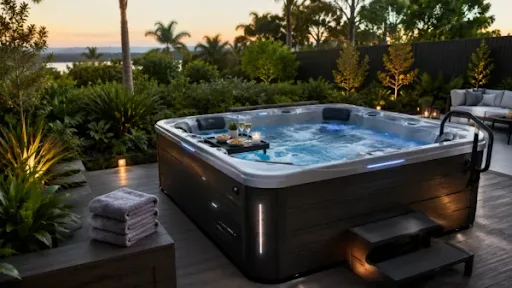
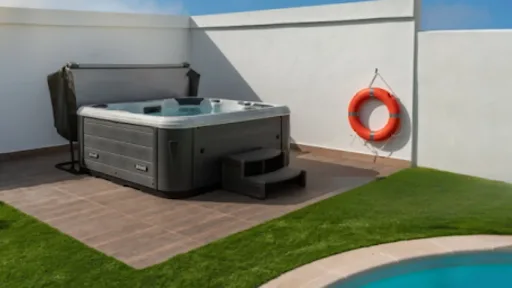
Your spa is built for relaxing, but a dull, grimy shell can quickly spoil the experience. Regularly cleaning your acrylic spa shell protects its appearance, supports hygiene and helps the surface last for years. Body oils, sunscreen, lotions, dirt and mineral deposits slowly build up, forming a film or ring that gets harder to remove the longer it stays, and a little regular care now saves hours of scrubbing later. This spa cleaning guide shows you how to clean a hot tub shell safely, one step at a time. You’ll learn why the right spa bath cleaner matters, which tools to use and which products to avoid. With gentle techniques and a simple routine, your spa can stay fresh, smooth and spotless between water changes.
Why Is Regular Acrylic Spa Shell Cleaning Important?
A regular clean keeps your acrylic spa shell looking good and protects the surface from the damage that neglect causes. It’s also a core part of any spa cleaning guide, because a clean shell supports clean, balanced water. If you want to clean a hot tub shell properly, understanding what builds up and why makes the job much easier. Below, we explain what each type of build-up does and why tackling it early pays off.
Preventing Dirt and Residue Build-Up
Every soak leaves something behind. Dirt, skin cells and product residue settle on the shell and gather around seats, steps and jets. Left alone, this build-up becomes sticky and harder to wipe away. Slime on surfaces, known as biofilm, can also harbour bacteria, and CDC guidance for hot tub operators says it should be scrubbed away regularly. Wiping the shell each time you drain the spa stops that layer from thickening.
Removing Body Oils and Sunscreen
Body oils, sunscreen and lotions float on the water and cling to the shell at the waterline. They form a greasy ring that attracts more grime. Wiping this film early keeps it from hardening and keeps your water clearer.
Maintaining the Shine of the Acrylic Surface
A smooth, glossy surface is easier to clean and looks better. Gentle, regular cleaning helps the acrylic keep its shine, while harsh scrubbing can dull it. Consistency matters more than force.
Protecting the Spa Shell From Damage
Mineral scale, strong chemicals and abrasive tools can all damage acrylic over time. Cleaning with suitable products helps you avoid costly problems. Poorly maintained spas also carry hygiene risks, and NSW Health warns that bacteria such as Legionella and Pseudomonas can become an issue in heated spas that aren’t kept clean and correctly disinfected.
What Do You Need to Clean an Acrylic Spa Shell?
You don’t need a cupboard full of products. A few gentle, suitable items will clean an acrylic spa shell effectively without risking scratches or dulling. Choosing carefully matters, because what works on a bathroom tile can ruin a spa surface. Gather these basics before you drain the spa. Think of this part of our spa cleaning guide as your shopping list, because having everything ready makes the job quicker.
Choosing the Right Spa Bath Cleaner
A good spa bath cleaner is made for spas and suits your shell material. Bath & Spa Parts notes that a cleaner safe for one surface may not suit another, so always follow your manufacturer’s guidance. Look for non-abrasive, low-foam products and read the label. Dilute exactly as directed, because stronger is not better and extra product only means more rinsing. Not sure which spa bath cleaner suits your spa? Ask the Spas Newcastle team.
Using Soft Microfibre Cloths
Microfibre cloths lift grease and light marks without scratching. Keep a few on hand, one for the shell and a separate one for the waterline, and rinse them well between uses. Wash them separately from other laundry without fabric softener, which can leave a greasy film.
Selecting Non-Abrasive Cleaning Tools
Soft sponges, non-scratch pads and a soft-bristle brush for jets and corners are all you need. Start with the gentlest tool and only step up if you must. Browse our spa accessories for other handy extras.
Products and Chemicals to Avoid
Skip scouring powders, steel wool, strong solvents, undiluted bleach and ammonia-based cleaners. These can scratch, cloud or weaken your acrylic spa shell, and leftover residue can upset your water balance. If a product isn’t designed for spas, leave it on the shelf.
How to Clean a Spa Shell: Step-by-Step Guide
Follow this spa cleaning guide whenever your spa is drained. It works for most portable spas, but always check your owner’s manual first, as your manufacturer’s instructions come first. Set aside an hour or two on a mild day so you can work without rushing. Clean the shell only when the spa is empty, as recommended in our spa pool and swim spa maintenance guide.
Step 1: Turn Off the Spa and Drain the Water
Switch off the power at the breaker, then drain the spa following your manual. Never clean the shell with the power on. Let the water cool and drain it somewhere permitted, away from the spa base and neighbouring properties. Take out the filters and headrests so you can reach every surface.
Step 2: Remove Loose Dirt and Debris
Rinse the shell with clean water from a garden hose, and wipe away loose dirt, leaves and sediment. Avoid high-pressure hoses or water blasters, which can damage the surface. This first rinse means you won’t grind grit into the acrylic.
Step 3: Apply a Suitable Spa Bath Cleaner
Apply an approved spa bath cleaner to a soft cloth or the surface, following the label for dilution and contact time. Work in sections so the product doesn’t dry on the shell. Pay extra attention to the waterline, seats and footwell, and never mix different cleaners together.
Step 4: Gently Wipe the Acrylic Surface
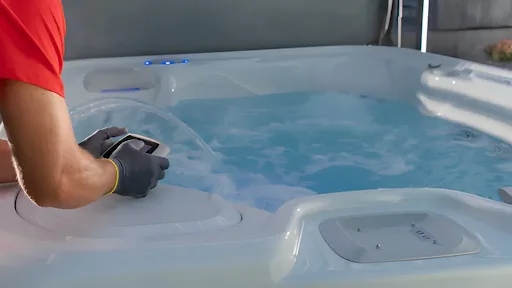
Use a microfibre cloth or non-scratch pad in light, even, circular motions. Let the cleaner do the work rather than pressing hard. Treat your acrylic spa shell like a delicate bathroom surface, because patience works better than pressure. To clean a hot tub shell around jets and corners, use a soft brush.
Step 5: Rinse Away Cleaning Residue
Rinse thoroughly with clean water until no cleaner or foam remains. Leftover residue can foam when you refill and make the water harder to balance, so take your time and soak up the last of the water with a sponge or towel.
Step 6: Dry and Inspect the Spa Shell
Dry the surface with a soft cloth, which also prevents streaks and water spots. Look over the shell for scratches, rough patches, stains or cracks, and check around the jets and fittings. Note anything unusual and contact your supplier if you’re unsure. Once everything is clean, refill, test and rebalance the water.
Need a hand with spa care? Call (02) 4942 3212 or contact Spas Newcastle for friendly maintenance advice.
How to Remove Common Stains From a Spa Shell
Most marks come off with the mildest method, so start gentle. Stains often have chemical or mineral causes, so scrubbing harder isn’t always the answer. Fixing the cause, such as unbalanced water, stops marks returning. Whenever you clean a hot tub shell for stains, use light pressure and give each method time to work before trying something stronger. Always test any product on a small, hidden area first.
Removing Body Oil and Sunscreen Residue
A greasy film usually points to oils, lotions or cosmetics. Wipe it with a microfibre cloth and a suitable spa bath cleaner while the shell is empty. Repeat on stubborn spots rather than scrubbing hard. A soft toothbrush can help loosen residue around jets and edges.
Cleaning Waterline Scum
Waterline scum is the ring that forms where oils and grime collect. Wipe it weekly if you can, working in small sections. If the ring returns within days, your water balance or filter may need attention. Healthy water and a clean filter help stop the ring forming in the first place.
Removing Hard Water Stains
Hard white or grey deposits are usually mineral scale. Use an approved scale remover, or ask your manufacturer whether a diluted mild acid such as white vinegar is suitable. Never scrape scale with metal tools, which can permanently mark acrylic.
Dealing With Dirt and Mineral Deposits
Brown, orange or green marks can come from metals or particles in the water, not rust. Wipe them with an approved cleaner, then test your water and correct the balance. Rinse well afterwards. If marks keep returning, a water test will usually reveal why.
What to Do About Minor Surface Scratches
Many light marks are just grease caught in a scratch, so a thorough clean can make them less noticeable. Avoid sandpaper, rubbing compound or household polish. For deeper scratches or cracks, ask your supplier about manufacturer-approved repairs. Protecting your acrylic spa shell from new scratches is easier than repairing them, so stick with soft cloths from now on.
What Cleaning Products Should You Avoid on a Spa Shell?
Acrylic is tough, but it isn’t indestructible. The wrong product can leave dull patches, cloudy spots, cracks or sticky residue. Using acrylic-safe cleaners keeps your spa looking good and helps protect your warranty. Here’s what to leave in the cupboard. Use this part of the spa cleaning guide as a quick checklist before you reach for any bottle.
Abrasive Cleaners and Scrubbing Pads
Scouring powders, steel wool, melamine sponges and rough pads scratch the surface and strip its gloss. Scratches then trap dirt, making the shell harder to clean. Even a rough sponge used with good intentions can leave fine swirl marks that show up under bright light.
Acetone and Nail Polish Removers
Acetone is a strong solvent that can soften, haze or craze acrylic. Keep nail polish remover well away from your spa, and wipe up any spills straight away. Even a small amount on a cloth can leave a cloudy patch that is difficult to repair.
Strong Solvents and Harsh Chemicals
Paint thinners, petrol, strong degreasers, undiluted bleach, ammonia and harsh acids can damage the finish. They can also leave residue that is hard to rinse away. Always check the label, and if it warns against use on plastics or acrylic, don’t use it on your spa.
Household Cleaners That Leave Residue
Many bathroom cleaners contain fragrances, detergents and foaming agents. If they aren’t fully rinsed, they can cause foaming, cloudy water and chemical imbalance when you refill. Choose a spa bath cleaner made for the job, and rinse until nothing remains.
Why Manufacturer-Approved Cleaners Matter
Your manufacturer knows your shell’s material and finish. Using approved products protects your acrylic spa shell and avoids problems with your warranty. Not sure? Check our spa maintenance guide or call us.
How Often Should You Clean Your Acrylic Spa Shell?
How often you clean depends on how much you use your spa, how many people soak and how well your water is balanced. This spa cleaning guide suggests a simple routine you can adjust to suit your household. Whatever your schedule, consistency is what keeps the job small.
Daily Surface and Waterline Checks
Take a quick look each time you use the spa. Spot film, scum or slime early, and wipe it before it sets. If any surface feels slimy, clean it at the next opportunity. Regular checks take seconds and save effort later.
Weekly Wiping and Cleaning
Once a week, wipe the waterline and visible surfaces with a soft cloth and a gentle spa bath cleaner approved for in-water use. This is also a good time to rinse the filter and test your water, so cleaning and chemistry stay in step.
Cleaning During Water Changes
Each time you drain, give the whole shell a thorough clean. Spa maker Alpine Spas suggests a full wipe-down every three to four months at the drain and refill. Follow your manufacturer’s recommendations.
Periodic Deep Cleaning
Every few months, clean the jets, corners and the area around the filter box, and check the cover. Our guide to hot tub cleaning mistakes covers common slip-ups.
Adjusting Cleaning Frequency Based on Spa Usage
A busy family spa needs cleaning more often than a spa used by one or two people. If you clean a hot tub shell and the ring returns quickly, increase the frequency and review your water care.
Common Mistakes to Avoid When Cleaning an Acrylic Spa Shell
A few simple errors cause most cleaning problems. Avoiding them keeps your acrylic spa shell in great condition and your water balanced. Here are the mistakes we see most often, and how to avoid them. Treat this section as the “what not to do” companion to our spa cleaning guide.
Using the Wrong Cleaning Products
Grabbing whatever is under the sink is tempting, but unsuitable products can damage acrylic. Always choose a spa bath cleaner approved for your spa. Products made for bathrooms, kitchens or cars may contain solvents or additives that can cause damage or cloudy water.
Scrubbing Too Aggressively
Heavy scrubbing scratches and dulls the shell. Use light pressure and a soft cloth, and let the cleaner loosen grime. If a mark doesn’t shift, leave the cleaner on for the time the label recommends rather than adding force.
Leaving Cleaning Residue Behind
Residue causes foaming and cloudy water when you refill. Rinse until the surface is completely free of cleaner, and don’t refill with leftover cleaning solution. Residue is a frequent reason spa water foams or turns cloudy after a refill.
Ignoring Waterline Build-Up
A small ring is easy to remove. Left for weeks, it hardens and attracts more grime. Quick, regular wipes beat occasional hard scrubbing, and a weekly wipe takes only a couple of minutes.
Cleaning Without Following Manufacturer Instructions
Every spa differs. Skipping your manual can mean using the wrong product or method, which may affect your warranty. Your manual also explains how and when to drain the spa, so keep it somewhere easy to find. Browse our spa care resources for water care and chemical guides.
Tips to Keep Your Acrylic Spa Shell Clean for Longer
A few easy habits reduce how much dirt reaches your spa, so cleaning stays quick. Think of this as the prevention part of your spa cleaning guide. Each habit stops dirt reaching the surface, which makes it easier to clean a hot tub shell when the time comes.
Shower Before Using Your Spa
A quick rinse removes sweat, oils, sunscreen and product residue. Bath & Spa Parts says this can noticeably reduce waterline build-up and filter contamination. Even a thirty-second rinse makes a difference, and it’s a good habit for guests too.
Limit Lotions and Oils Before Soaking
Moisturisers, tanning products and oils end up on the shell and in the filter. Apply them after your soak instead. If you do wear sunscreen, rinse it off first so it doesn’t coat the waterline.
Keep Your Spa Cover Clean
Dirt, mildew and oils on the cover can fall into the water when you remove it. Clean the cover regularly with a cover-safe product, and keep it on when the spa isn’t in use. A clean cover also stops the underside becoming a source of odours.
Maintain Proper Water Chemistry
Balanced water helps prevent scale, scum and stains. Test often, dose carefully and use products designed for your sanitiser system. Our Spa Fresh ULTRA user guide is a helpful reference.
Follow a Consistent Cleaning Routine
A short, regular clean beats a big annual scrub. Set reminders for weekly wipes and water changes, and keep your supplies handy. A phone calendar reminder is an easy way to stay on track.
Conclusion
Regular cleaning keeps your acrylic spa shell fresh, smooth and hygienic. Use a suitable spa bath cleaner, soft cloths and gentle techniques, avoid abrasive products, and always follow your manufacturer’s recommendations. Keep this spa cleaning guide handy, because small, consistent habits protect both the surface and your investment. For more spa care advice, explore the Spas Newcastle spa maintenance guide and resources, or call (02) 4942 3212 or email sales@spasnewcastle.com.au. Our friendly Newcastle team is always happy to help you keep your spa looking its best.
FAQs
What Is the Best Cleaner for an Acrylic Spa Shell?
The best choice is a non-abrasive spa bath cleaner approved for your spa’s surface. Check your manufacturer’s guidance, follow the label and rinse thoroughly. A soft microfibre cloth does most of the work, so you rarely need anything stronger. If you’re unsure, ask your supplier before buying.
Can You Use Household Cleaners on an Acrylic Spa?
It’s best not to. Many household cleaners contain solvents, fragrances or foaming agents that can damage acrylic or upset your water balance. Stick to a spa-safe, manufacturer-approved product, and test on a small hidden area if you’re unsure. When in doubt, call our team before you clean.
How Often Should You Clean Your Spa Shell?
Check the waterline daily, wipe it weekly, and give the entire shell a thorough clean each time you drain the spa. Many owners do this every three to four months, depending on use and manufacturer guidance. A busy spa may need cleaning more often.
How Do You Remove Waterline Scum From a Spa?
Wipe the ring with a microfibre cloth and a suitable spa bath cleaner, working in small sections. Repeat on stubborn spots rather than scrubbing hard. If scum returns quickly, check your water balance and filter, and rinse thoroughly afterwards so no residue reaches the water.
Can Abrasive Cleaners Damage an Acrylic Spa Shell?
Yes. Abrasive powders, scouring pads and steel wool scratch acrylic, remove its gloss and trap dirt in the marks. Use soft cloths and non-scratch pads instead, and keep your acrylic spa shell glossy. A gentle microfibre cloth is a safer choice for everyday cleaning.
How Do You Clean a Hot Tub Shell Without Scratching It?
Drain the spa, rinse away loose grit, then wipe gently with a microfibre cloth and an approved cleaner. Use light, circular motions, avoid abrasive pads, rinse thoroughly and dry. Never scrub dry grit across the surface, and let the cleaner do the work.
Ready for a spa that’s easy to look after? Browse our portable spas and swim spas, call (02) 4942 3212, or email sales@spasnewcastle.com.au. Visit our showroom at 5 Hughes Street, Gateshead NSW 2290.